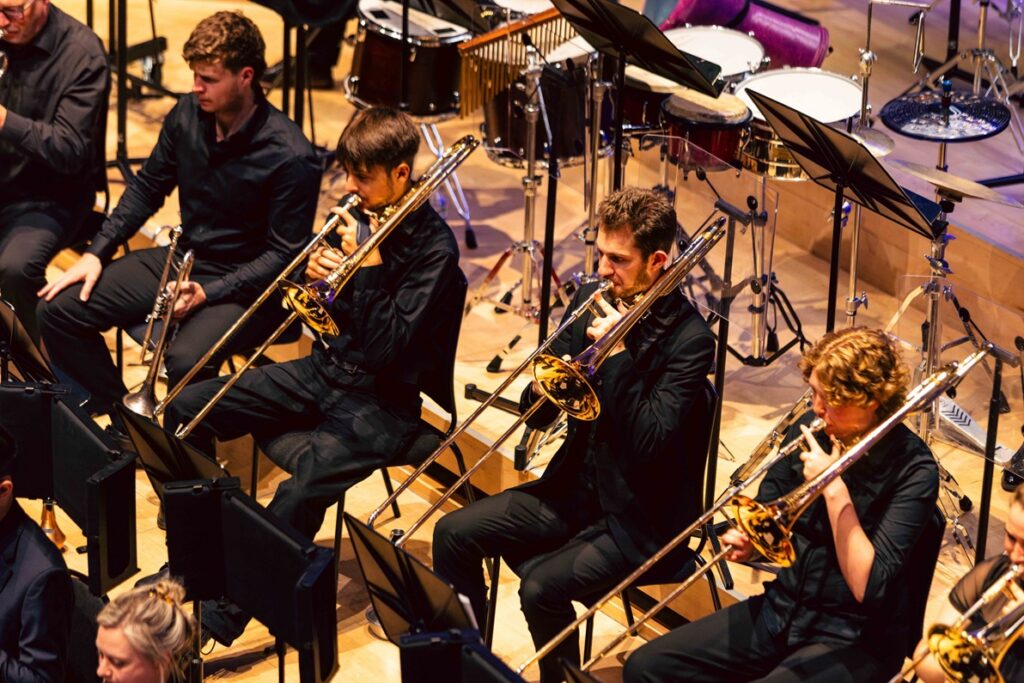
Graduate Diploma of the RNCM
It can sometimes be difficult for young musicians and composers to choose between university or conservatoire study.
This unique offer takes that difficulty away, giving those with outstanding musical and academic ability the opportunity to study two degree-level courses simultaneously: the Graduate Diploma of the RNCM (GRNCM) and the Bachelor of Music with Honours (MusB (Hons)) at The University of Manchester, located just metres away.
The distinctive and competitive pairing of these programmes is designed for students who enjoy being busy performers and composers with a wide variety of professional experience and are also intelligent musical thinkers. Study comprises the entire three-year MusB (Hons) programme at The University of Manchester and approximately two-thirds of our four-year Bachelor of Music with Honours (BMus (Hons)) or Bachelor of Music with Honours in Popular Music (BMusP (Hons)).
Embracing a combined conservatoire and university experience means that all bases are covered, enabling you to progress as a resilient and highly adaptable performer ready to create a thriving portfolio career or progress into postgraduate study.
Key Information
- Duration
- 4 years full time
- Credits
- 480
- Course Code
- 399F
- Application Opens
- 9 Jul 2026
- Application Deadline
- 1 Oct 2026
- Fees
- Fee guide
Entry Requirements
Age, Qualifications and Standards
Entrance to the GRNCM/MusB programme is dependent on the following:
- All applicants must be at least 18 years of age on 31 December in the year of entry.
- All applicants must achieve AAA or above at GCE A level (A2), normally including music, and passes in three different subjects at GCSE level (grades A*-C/9-4) or acceptable equivalent.
- Applicants who are not from a majority English-speaking country (as defined by UKVI) must have IELTS 7.0 or equivalent with no component lower than 6.5.
- All applicants must pass an RNCM audition in the year prior to entry, demonstrating a high standard of performance (or composition ability for composers) and potential, of at least ABRSM Grade 8 standard.
- All shortlisted applicants must pass a University of Manchester interview in the year prior to entry, demonstrating academic suitability to the course.
- UK applicants may be required to undertake an Enhanced DBS (Disclosure and Barring Service) Check to participate in some professional placement modules within this course. Applicants from countries other than the UK, or UK residents who have spent six months or more in any non-UK country within five years of the course start date must additionally provide a police certificate of good conduct from the relevant country.
Alternative Qualifications
International applicants, candidates with Scottish or Irish qualifications, and those with alternatives such as a BTEC or NVQ, should contact Admissions on 0161 9075 465 or email [email protected].
Shortlisting
Spaces for this intensive and demanding course are limited. Approximately 20 applicants are shortlisted for an audition at the RNCM and interview at The University of Manchester each year. All GRNCM applicants are automatically considered for a place on our BMus (Hons) and BMusP (Hons) programmes.
The module map for each year is outlined below. Classical applicants are advised to visit the Bachelor of Music with Honours page for full information, while popular music applicants should visit the Bachelor of Music with Honours in Popular Music page.
Programme Details
Your time at the RNCM involves intensive one-to-one tuition, specialist classes and masterclasses, performance opportunities, a series of modules dedicated to ensembles, a professional industry placement, production and composition (for Popular Music students), and a wealth of elective options. This is complemented by the strong academic foundation gained through your studies at The University of Manchester.
Principal Study Options
- Baritone Horn
- Bassoon
- Cello
- Clarinet
- Composition
- Cornet
- Double Bass
- Drumkit (Pop)
- Euphonium
- Flute
- French Horn
- Guitar (Bass) (Pop)
- Guitar (classical)
- Guitar (Electric) (Pop)
- Harp
- Harpsichord
- Music Production (Pop)
- Oboe
- Percussion/Timpani
- Piano (solo)
- Piano/Keyboards (Pop)
- Saxophone
- Tenor Horn
- Trombone
- Trumpet
- Tuba
- Viola
- Violin
- Voice (Classical)
- Voice (Pop)
Forming the foundation of the programme, principal study focuses on enabling you to realise your true potential, both technically and creatively, through one-to-one tuition, group classes, masterclasses, and many additional creative and performance opportunities.
Whether you’re studying one principal study discipline or choosing to divide your tuition between two areas of specialism, you’ll work closely with your tutor(s) to develop a learning pathway that’s right for you. This will include personal goals, areas of strength, areas for development, repertoire planning, study materials, and methodologies tailored to challenge and develop you to the appropriate level.
You’ll also learn how to critically evaluate and perform a broad range of repertoire, inspiring a cultural connection between historic, contemporary, and progressive material. And – with an emphasis on peer learning and peer support – you’ll be encouraged to develop your own musical voice through composition and performance, to reflect, analyse, and draw on your wide scholarly activities, and to engage in constructive critique.
Module Map
Principal Study 1/Performance 1 (Pop) (40 credits)
Weekly one‑to‑one tuition developing core technical ability and musicianship in your main instrument or voice.
Ensembles 1/Production 1 (Pop) (20 credits)
Students participate in ensemble or collaborative performance projects, learning to rehearse effectively and respond musically in group settings. Popular Music students focus on Production 1, gaining early experience in crafting music within studio‑based environments.
Principal Study 2/Performance 2 (Pop) (40 credits)
Continued one‑to‑one lessons advancing personal technical and artistic development.
Ensembles 2/Composition 2 (Pop) (20 credits)
Ensemble students engage in more advanced collaborative and performance work. Popular Music students undertake Composition 2, strengthening skills in writing, arranging, and generating original material for different musical contexts.
Principal Study 3/Performance 3 (Pop) (40 credits)
Advanced one‑to‑one study enables you to define your artistic direction and explore specialised repertoire or creative work.
Principal Study Elective/Artist Development 3 Elective (Pop) (20 credits)
Students choose an elective that supports their emerging specialism, which may involve additional principal study work or artist development for popular music. Options allow exploration of new artistic, academic, or professional areas.
Principal Study 4/Performance 4 (Pop) (60 credits)
One‑to‑one training in preparation for professional‑level performance or portfolio creation.
Electives/Artist Development Electives 3 and 4 (Pop) (20 credits)
Electives cover topics such as music education, health and wellbeing, psychology, musicology, technology, media, and the music industry. Popular Music students may also take Artist Development electives focused on professional engagement.
Professional Placement/Artist Development 4: Professional Engagement (Pop) (20 credits)
Students undertake a work‑based placement in areas such as music and health, arts administration, education, sound engineering, or recording. The placement builds industry experience, professional networks, and real‑world insight.
Your Application
Applications for most RNCM programmes open in July and should be submitted using UCAS Conservatoires and Acceptd. The application process includes a number of stages, including an audition and interview.
Professors and Lecturers
-

Jennie Henley
Director of Programmes
-
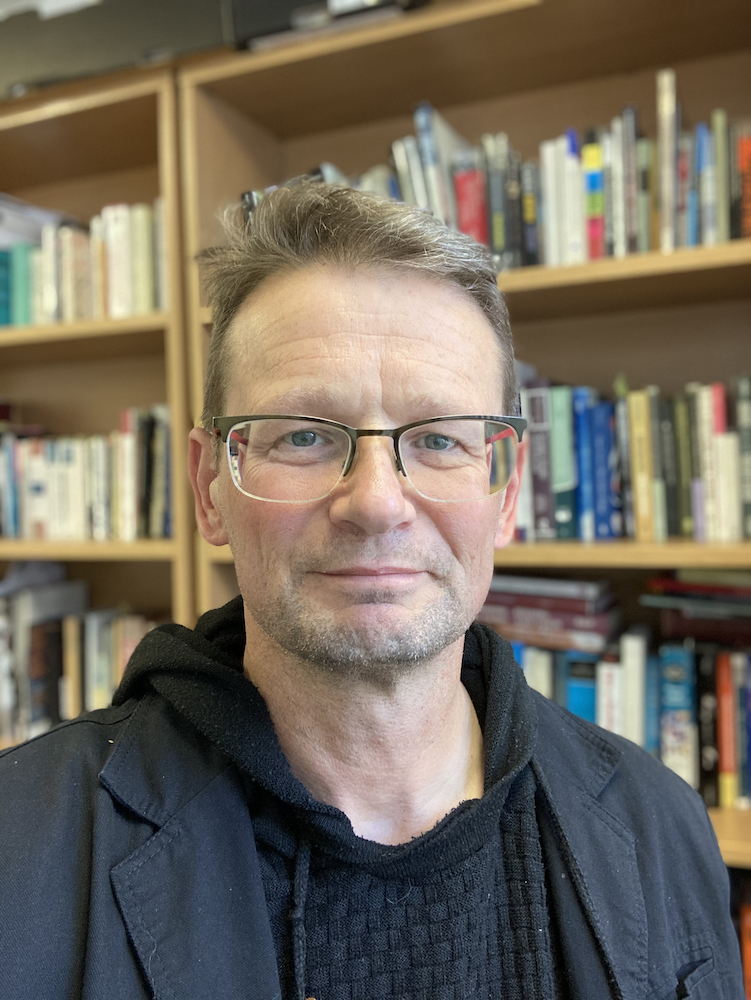
Nicholas Reyland
Professor of Music and Head of Undergraduate Programmes
-
Simon Parkin
Senior Lecturer in Music and Deputy Head of Undergraduate Programmes
-

Annika Forkert
Senior Lecturer in Music and Deputy Head of Undergraduate Studies
-

Andy Stott
Head of Popular Music
-
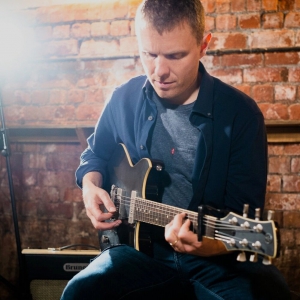
Stuart McCallum
Deputy Head of Popular Music and Creative Multi-Specialist Professor of Guitar, Composition and Production

Student Spotlights
Daniel Borowski
Lorem ipsum dolor sit amet, consectetur adipiscing elit. Maecenas eu magna eu sapien vestibulum lobortis eu vel ante. Sed vitae hendrerit purus, id efficitur enim. Cras tincidunt non magna sed sodales. Donec eget est neque. Sed volutpat tristique nunc quis sodales. Aliquam non nibh ac erat imperdiet pharetra. Fusce eu nibh quam.
Suspendisse vulputate quam nunc, ac tristique justo fringilla nec. Suspendisse blandit purus nec nulla mollis, at porttitor ipsum efficitur. Donec quis velit in eros blandit eleifend non sit amet tellus. Aenean tristique ultricies turpis a eleifend. Fusce eget nisl id ipsum mollis condimentum. Integer porttitor consequat elit nec efficitur. Aenean ligula magna, volutpat in accumsan nec, ullamcorper in ipsum.
Additional Information
Accommodation
All applicants who accept a guaranteed offer before X February will be reserved a room in Sir Charles Groves Hall of Residence, which they will be invited to book in the months following their audition. Private en-suite rooms are grouped in clusters of four with shared kitchen facilities.
Scholarships and Bursaries
We provide over £3m in the form of student scholarships and bursaries each year.
All applicants are automatically considered for a scholarship, and these are awarded based on performance ability and potential demonstrated at audition and interview. Scholarship awards are for the first year of study only (unless specifically stated otherwise).
A limited number of bursaries are also available for International and postgraduate students, allocated based on need and merit. If you’re successful in gaining a bursary, this will be deducted from your tuition fees, leaving you with a net balance to pay.
Undergraduate home students may apply for an Access Bursary if their income meets the published criteria. To apply for an Undergraduate Access Bursary, please contact Student Finance England (or the relevant local authority for your country). You need to apply as an income assessed student and you and your sponsors (usually your parents) need to consent to share their household income with the RNCM.
Tuition Fees
Tuition fees are split into two categories – home and international. Your fee status will be determined by the information provided within your UCAS Conservatoires application. Full guidance on tuition fee statuses can be found on the UKCISA (UK Council for International Student Affairs) website, but if you have any queries or think you have been assigned an incorrect status, please email [email protected] and we would be happy to undertake a full fee assessment with you.