
Student Wellbeing
Looking after your wellbeing is an important part of making the most of your time at the RNCM.
We know that studying music can be exciting, rewarding and challenging, so we’re here to support you throughout your journey.
Whether you’re preparing for a performance, managing your workload, adjusting to student life, or facing personal or financial challenges, you’ll have access to a range of support services designed around the realities of conservatoire life. From counselling and wellbeing advice to physiotherapy, vocal health support and financial assistance, our teams work together to help you stay healthy, confident and focused on achieving your goals.
Health and Wellbeing Hub
Our Health and Wellbeing Hub brings together specialist support and academic staff dedicated to helping you feel safe, build resilience, and thrive throughout your time at the RNCM. Committed to promoting health and wellbeing through both support services and academic practice, the Hub is here not only when challenges arise but also to help you make the most of your experience. We offer advice, guidance and support, and can connect you with other services when appropriate.
-
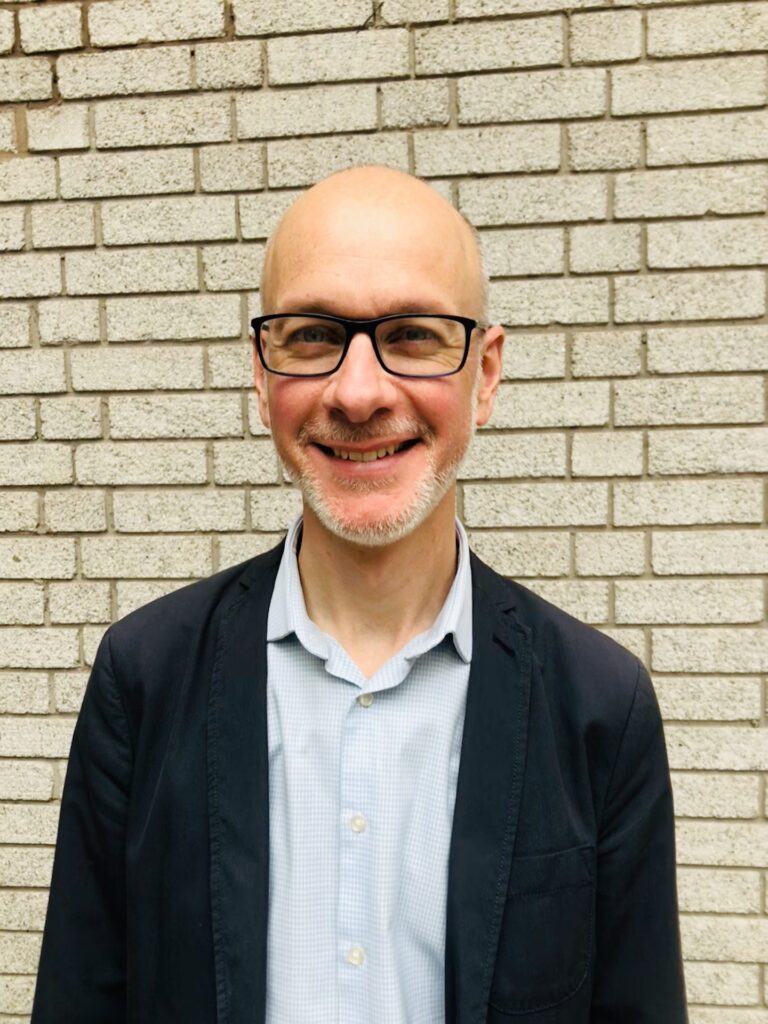
John Habron-James
Head of Music, Health and Wellbeing
-

Sara Ascenso
Senior Lecturer in Musicians' Health and Wellbeing
-

Jane Gray
Head of Student Disability and Wellbeing
-
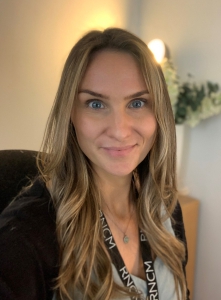
Emily Mason
Student Disability and Wellbeing Advisor (SDWA)
-

Emma Woodward
Student Disability and Wellbeing Advisor (SDWA)
-
Jean Ammar
Head of English Language Support
-
Sarah Murphy
English Language Support Tutor
-
Su Harrison
Alexander Technique Tutor
-
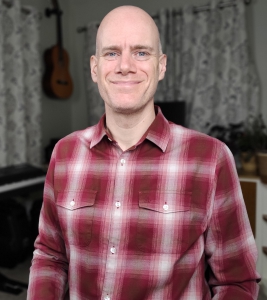
Pete Robinson
Alexander Technique Tutor
-

Bryan Fox
Student Counsellor
Available Support
International students
Studying abroad is a big step for many students, but our dedicated Admissions Team is on hand at every stage of the journey. This includes application guidance, English language support (both Pre-Sessional and In-Sessional English) and visa and immigration advice. We also have an elected Student Diversity Representative to ensure your views are heard during your studies. For more information, email [email protected].
Disability, medical conditions, mental health, and specific learning difficulties
The RNCM welcomes disabled students and those with long-term health conditions, including Specific Learning Difficulties (SpLDs) and mental health conditions. The term ‘disability’ includes a wide range of physical, mental health and neurodivergent conditions and impairments.
Student Wellbeing Advisors
Student Wellbeing Advisors offer advice and practical support for disability-related issues and are the first point of contact for students. It is helpful if you get in touch as early as possible so that support can be agreed and put in place. You will be invited to a confidential meeting to discuss any disability support arrangements (known as ‘reasonable adjustments’) for your programme of study. This information is documented on a Personal Learning Plan (PLP), and you will be asked to confirm by email that you consent to this being shared with teaching staff.
Evidence of disability is normally required before a PLP can be issued. For a specific learning difficulty this is usually a diagnostic report carried out by a suitably qualified psychologist or teacher. For medical/mental health conditions, evidence from a medical practitioner is usually required. Please note that students are not obliged to disclose a disability/impairment, but unless you do so we will be unable to provide appropriate support and adjustments cannot be made retrospectively. Disclosure can be made at any stage during the student journey.
Our Student Wellbeing Advisors can also advise you about:
- Screening for specific learning difficulties (e.g. dyslexia)
- Applying for Disabled Students’ Allowances (DSA)
- Specialist mental health support
- Specialist physical support
Our Student Wellbeing Advisors are here to offer advice, guidance and support at any time before or during your time at RNCM. You can email them at [email protected].
Student counselling service
Counselling provides an opportunity for you to explore any issues you may wish to talk about with someone who is not directly involved in the situation you are trying to deal with. This may be about anything that is on your mind, or which may be affecting you and/or the way you relate to others.
The College counsellors won’t pass judgement or give advice but instead try to assist you to find your own solutions. Their main concern is to help you discover a more fulfilling and satisfying way of leading your life.
The service is free of charge to registered students and anything you choose to bring to counselling will be treated with confidentiality.
If you are a current student, you can register here.
For more information about the service email [email protected].
Alexander Technique
The Alexander Technique teachers are ready to work with you to develop healthy habits for optimal performance at work, rest, and play. Alexander Technique is a tried-and-tested approach for improving personal performance and avoiding undue effort or stress.
To arrange a lesson, email [email protected].
For more information about Alexander Technique and lots of helpful videos, current students can visit the Moodle page.
Lecturer in Musicians’ Health and Wellbeing
We know that when we are well, we learn better, we perform better, we develop better, and we are able to have more sustainable careers as musicians. Throughout your time here, you will have many opportunities to learn more about how to take good care of both your physical wellbeing and mental health.
Our Lecturer in Musicians’ Health and Wellbeing will deliver a whole range of exciting sessions across different modules. Equip is a series of wellbeing workshops for which you can sign up whenever you want to. We cover many wellbeing topics such as physical wellbeing, nutrition, sleep, prevention of injury, relaxation techniques, motivation, prevention and management of performance anxiety, focus, concentration, and memorisation strategies.
Current students should contact [email protected] or visit the Equip Moodle Page for more info.
Looking after your health
The British Association of Performing Arts Medicine (BAPAM) has lots of information on its website about healthy practice and injury prevention. BAPAM runs regular clinics in the RNCM and also offers free consultations for specialist, medical advice via its website.
If there is treatment that you need you may also be eligible for financial support from Help Musicians.
It is important that you register with a GP in Greater Manchester so that you can get the support and healthcare you need. Visit the NHS website for information about other NHS services.
For guidance and advice about any of these topics, contact our Student Wellbeing Advisors: [email protected].
Mental Health First Aid (MHFA)
Mental Health First Aid (MHFA) is the help offered to a person developing a mental health issue, experiencing a worsening of an existing mental health issue, or in a mental health crisis.
Our trained Mental Health First Aiders are on hand to help you, so please don’t hesitate to get in touch with them.
Ciara Finney
[email protected]
Rebecca Mungovan
[email protected]
Greg Skipworth
[email protected]
Dominic Wood
[email protected]
What to do in an emergency
Call 999 in a medical or mental health emergency. This is when someone is seriously ill or injured and their life is at risk.
NHS 111 can help if you need urgent medical help or you’re not sure what to do.
Togetherall
As an RNCM student you have free access to a 24/7 online global community and professional support from trained professionals. Togetherall provides a safe space online to get things off your chest, explore your feelings, get creative, and learn how to self-manage your mental health and wellbeing.
Togetherall is:
- Completely free to use
- Anonymous, with no judgment or stigma
- Online for easy access with no waiting lists
- Monitored by mental health professionals 24/7
On Togetherall you can:
Read helpful articles and take wellbeing courses and self-assessments to feel better on your terms, in your own time.
Share your experiences with others in the community.
Read others’ stories and find comfort in knowing you’re not alone.
Join a group based on a topic that’s important to you.
Respond to others’ posts with a kind word, phrase, or advice.
Create art to express yourself – because sometimes words aren’t enough.
Useful Resources
- St Mary’s Centre and/or Greater Manchester Police: Support after rape or sexual assault
- Survivors Manchester (0808 800 5005): Support and counselling for men who have been raped or sexually abused
- Trafford Rape Crisis (0800 783 4608): Free support for women, from women
- Manchester Rape Crisis (0161 273 4500): A support service run by women for women and girls who have been raped or sexually abused
- Manchester Women’s Aid/Pankhurst Trust (0161 660 7999): Information, advice, and support about domestic and sexual abuse/violence
- Galop (0800 999 5428): Offering advice and support to LGBT+ people who have experienced hate crime, biphobia, homophobia, transphobia, sexual violence, or domestic abuse
- LGBT Foundation(0345 330 3030): A national charity based in Manchester delivering a wide range of services to lesbian, gay, bisexual, and trans (LGBT) communities. As well as being a third party hate crime reporting centre, the foundation also runs a free monthly police advice clinic supporting with issues such as hate crime, domestic violence, bullying, and homophobia
- Victim Support (0800 168 9111): Email support and 24-hour helpline
- Women’s Aid (0808 2000 24/7): Information, advice, and support for domestic and sexual abuse and for violence
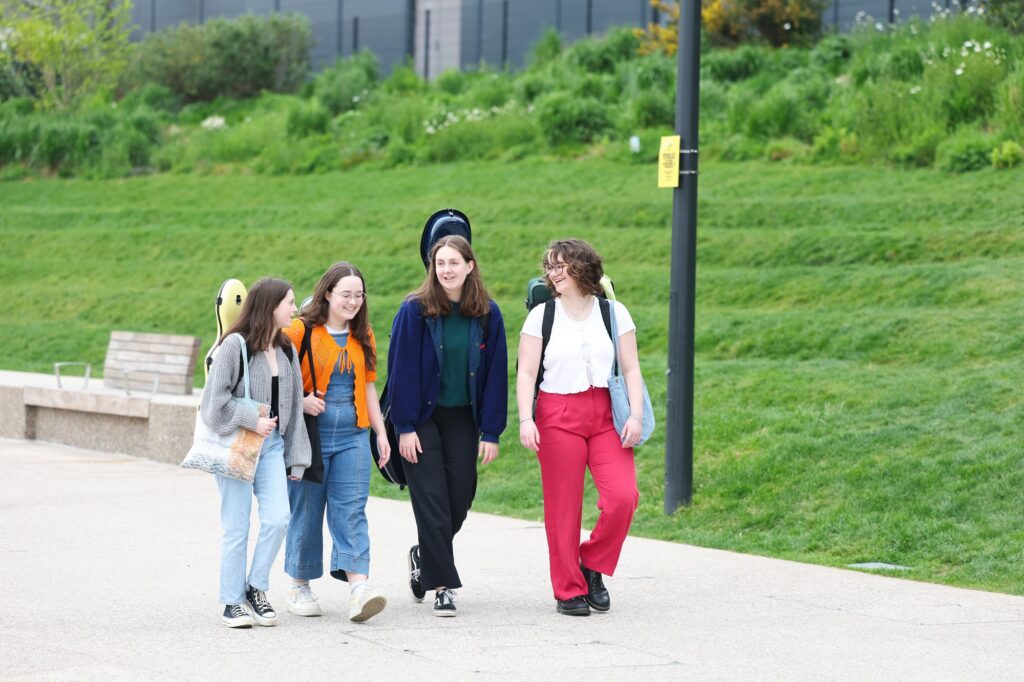
Student Healthcare
Accessing healthcare while you’re living in Manchester.