Wind, Brass and Percussion
Building on a foundation of creativity, dedication, and determination, our School of Wind, Brass and Percussion provides an immersive and collaborative environment for young musicians.
Intensive individual training, masterclasses with international artists, and specialist group tuition are complemented by a range of performance and audition activities, both at the RNCM and through Professional Experience Schemes with partners including the Hallé, BBC Philharmonic Orchestra, and Opera North. These enable students to develop their musical and personal skills and gain an understanding of the professional protocol in a range of settings. Students within the School also undertake additional lessons on their relevant doubling, associated, or jazz instrument, further enhancing their progression as a versatile and industry-ready musician.
Repertoire covered includes the established traditions of European wind, brass, and percussion ensemble playing, and we place a strong emphasis on new music – including works written by our student composers. Students also benefit from School-specific performance opportunities and enjoy cross-School collaborations through our numerous orchestras and ensembles.
Principal Study Options
- Flute
- Piccolo (postgraduate only)
- Oboe
- Cor Anglais (postgraduate only)
- Clarinet
- E-flat Clarinet (postgraduate only)
- Bass Clarinet (postgraduate only)
- Bassoon
- Contrabassoon (postgraduate only)
- Saxophone
- French Horn
- Trumpet
- Trombone
- Tuba
- Cornet
- Tenor Horn
- Baritone Horn
- Euphonium
- Percussion/Timpani
Professors
-
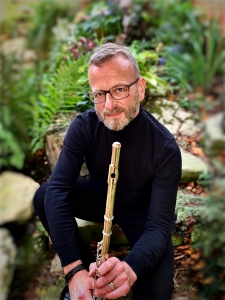
Kevin Gowland
Head of School of Wind, Brass and Percussion, Director of Woodwind and Professor of Flute
-
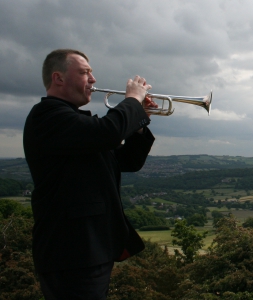
Murray Greig
Head of School of Wind, Brass and Percussion and Director of Brass
-
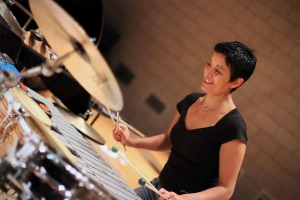
Simone Rebello
Head of School of Wind, Brass and Percussion and Director of Percussion
-
Julien Beaudiment
International Visiting Professor of Flute
-
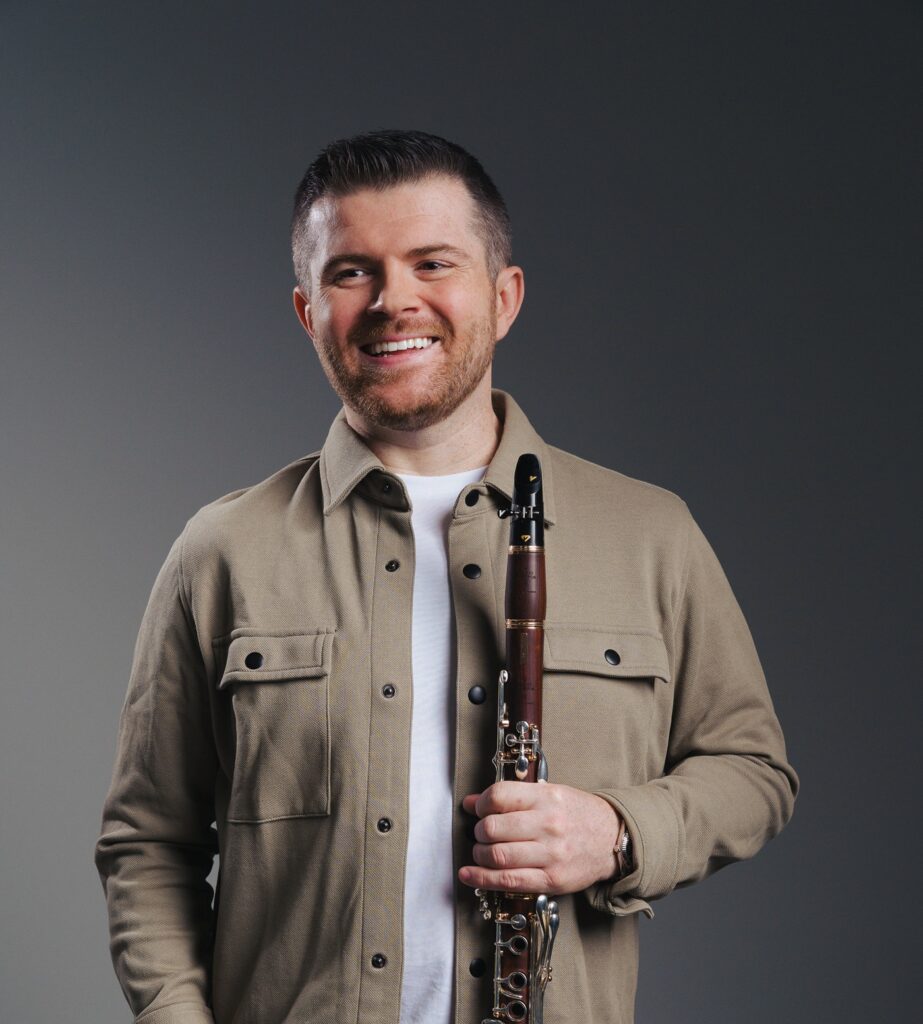
Julian Bliss
International Visiting Professor of Clarinet
-
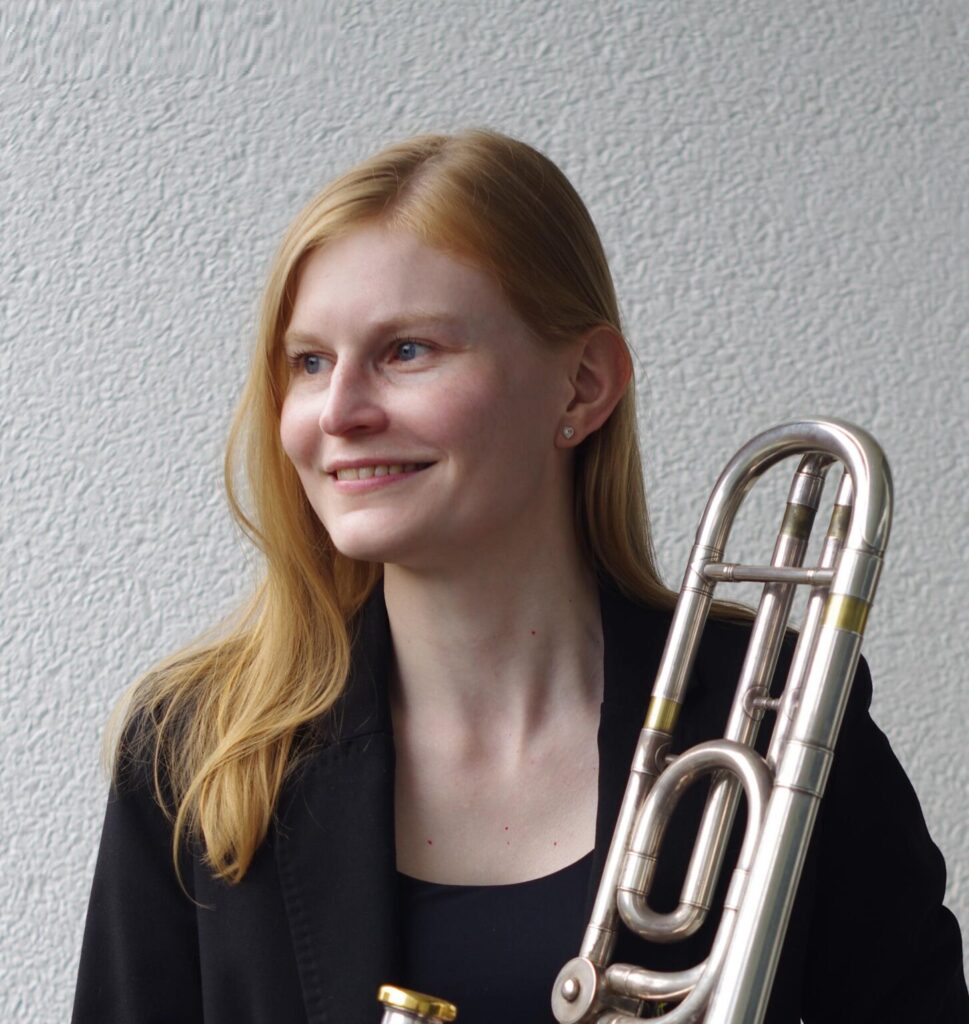
Louise Pollock
International Visiting Professor in Trombone
-
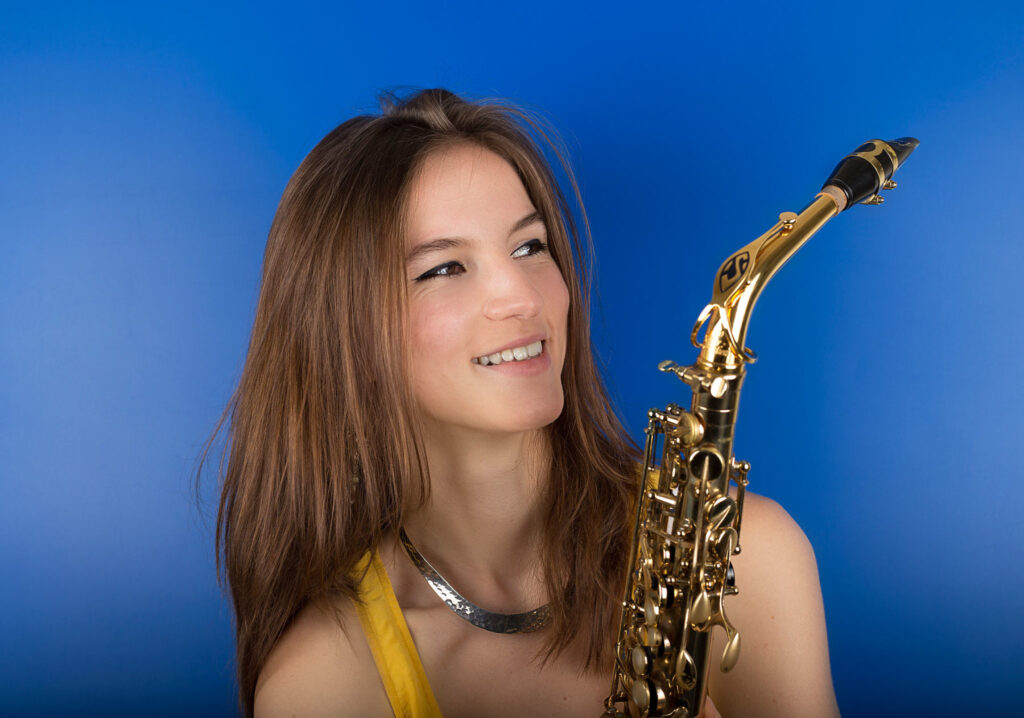
Valentine Michaud
International Visiting Professor of Saxophone
-
David King
International Artist in Brass Band
-
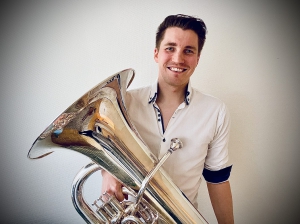
Ross Knight
International Visiting Professor of Tuba
-
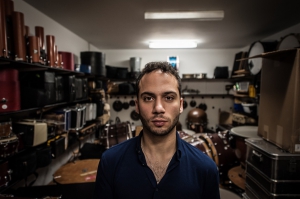
Emil Kuyumcuyan
International Visiting Professor of Snare Drum
-
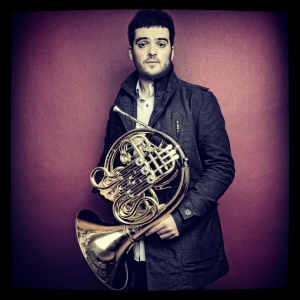
Alberto Menéndez
International Artist in Horn
-
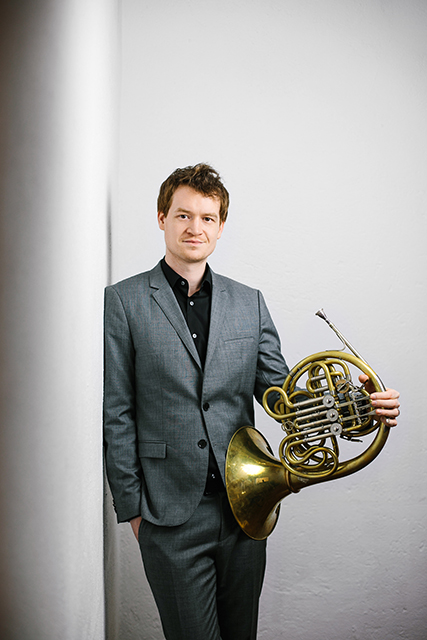
Félix Dervaux
International Visiting Professor of French Horn
-
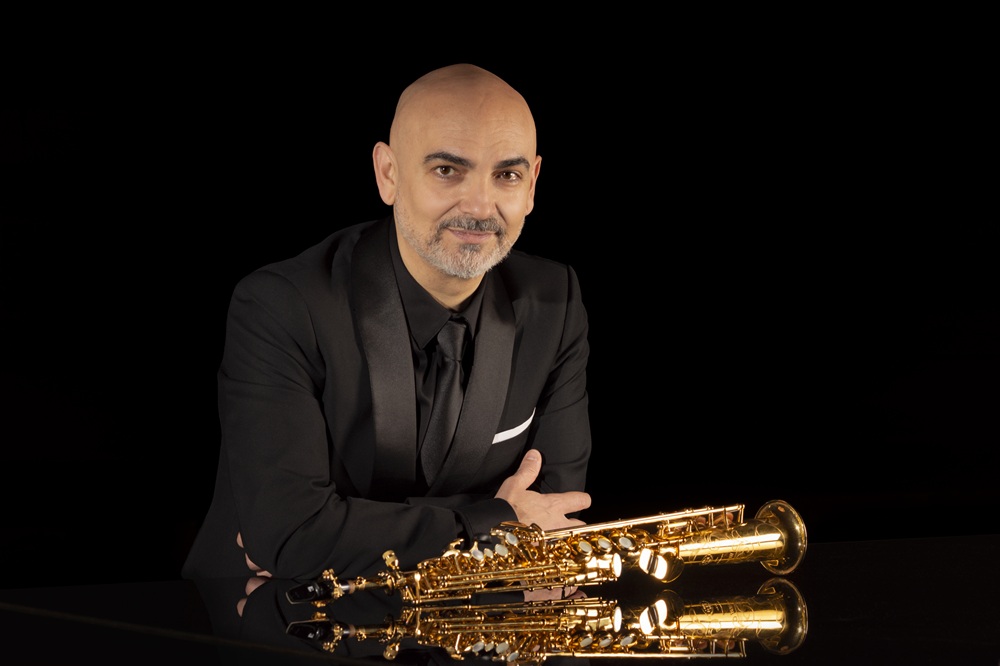
Mariano García
International Visiting Professor of Saxophone
-
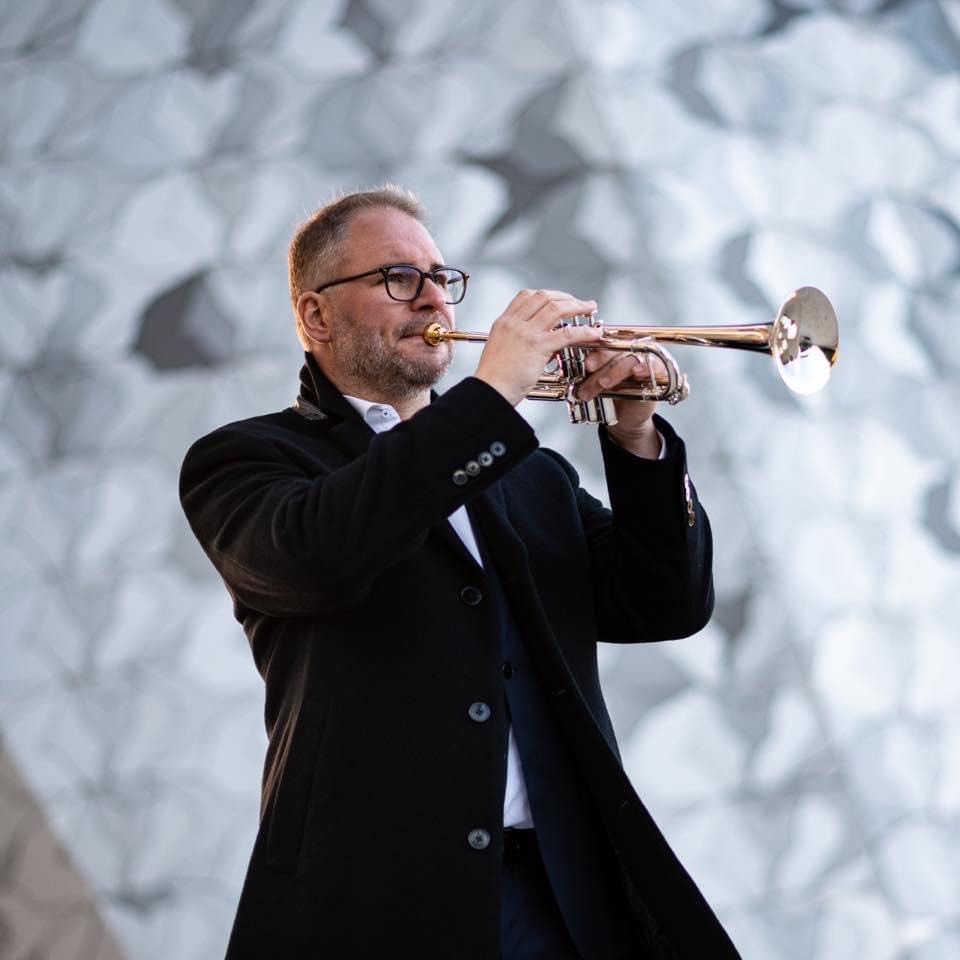
Marc Geujon
International Visiting Professor of Trumpet
-
James Gourlay
Besson International Artist in Brass
-
Thomas Rüedi
International Visiting Professor of Euphonium
-
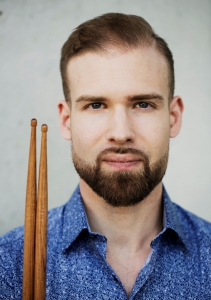
Kai Strobel
International Visiting Professor of Percussion
-
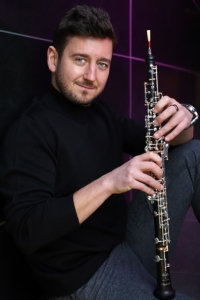
Philippe Tondre
International Artist in Oboe
-
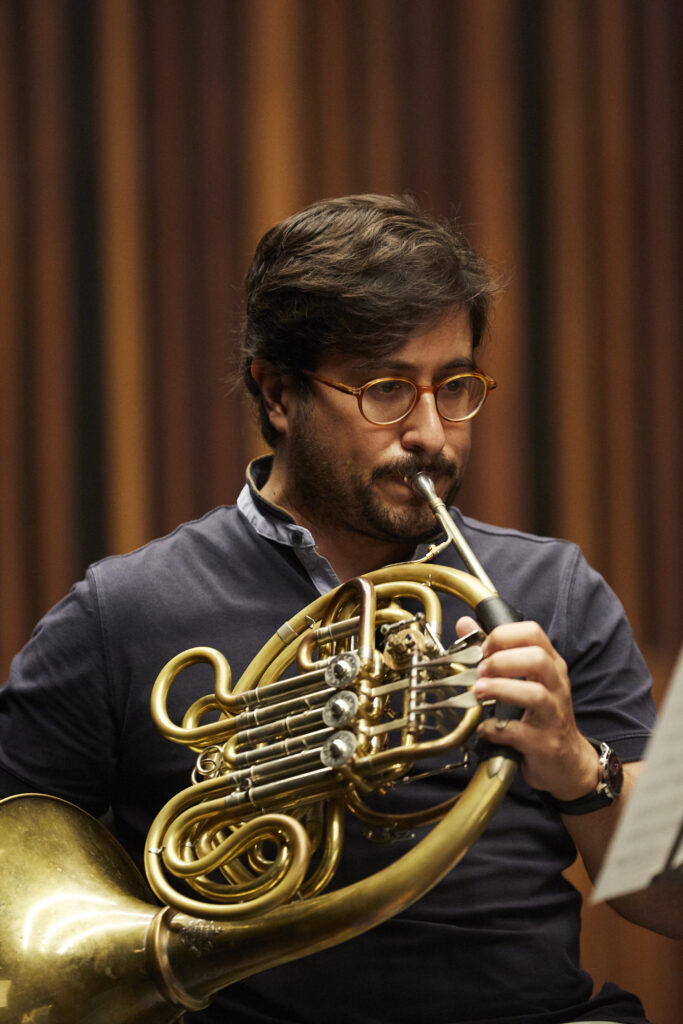
José Vicente Castelló
International Visiting Professor of French Horn
-
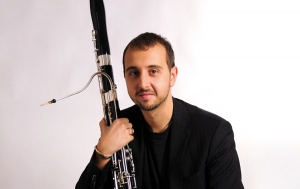
Andrea Zucco
International Visiting Professor of Bassoon (Senior Tutor)
‘We always try to look for, acknowledge, and nurture the potential of our students. Nothing gives us greater pleasure than seeing them thrive on the variety, quantity, and quality of opportunities afforded to them, and in doing so ultimately realising their true potential.’
Heads of Wind, Brass and Percussion
Courses
-
Undergraduate
Bachelor of Music with Honours
-
Undergraduate
Graduate Diploma of the RNCM
-
Graduate
Master of Music
-
Graduate
Master of Performance
Auditions
This is your chance to excel, so it’s good to remember that during this time we’ll be looking for candidates who demonstrate potential and a passion for music.
Requirements
All applicants will be invited to a live audition at the RNCM in November or December 2025. In-person applicants (excluding those opting for an overseas audition) are not required to submit a recording prior to their audition, but must still complete an Acceptd application. Overseas applicants who are unable to travel are invited to apply for an online audition.
To qualify for an online audition, you must select ‘Online’ under ‘Audition Location’ on UCAS Conservatoires and submit an audition recording within your Acceptd application. Your recording will be pre-screened and if you are shortlisted for an online interview, you will be notified via UCAS Conservatoires.
BMus applicants are also required to complete an online test as part of the process. This is because academic studies are a key component of your degree and we want to ensure that you’re in a position to thrive from the outset. The multiple choice test isn’t pass or fail, but the results do tell us about your knowledge of music theory, general musicianship and contextual awareness.
If you require further information, please email [email protected] or call 0161 907 5465/210.
Wind
Flute
In Person Auditions (Live) and Recorded Auditions (Overseas and GRNCM Applicants)
You should choose ONE set piece (accompanied or unaccompanied) from either:
J S Bach Sonata in E major BWV 1035 (movements 1 and 2)
or
C P E Bach Sonata in A minor (movement 1)
Then perform a second piece of your own choice.
For those attending in person, your audition will also include an interview, giving the panel an opportunity to learn a little more about you and your future aspirations, whilst giving you the chance to ask any questions you might have about studying with us. You may also be asked to perform a quick study.
Audition Recordings (Overseas and GRNCM Applicants)
If you are submitting an audition recording, all ‘accompanied’ works can be performed unaccompanied but extended blocks of accompaniment should be ‘cut’ to a give the auditionee a short break only (approximately 4-6 bars maximum).
Your recording should also include a two-minute introduction (either as a separate video or as part of your main audition recording), outlining who you are, why you would like to study with us, and a little about the repertoire you’re playing.
Online Auditions (Overseas Applicants)
If you have submitted an audition recording and you are shortlisted, you will be invited to attend a 20-minute live audition via Zoom. Here you should perform a new piece that you think best demonstrates your skills and ability, lasting no longer than five minutes.
This part of the process will also include an interview, where the panel would like to learn a little more about you and your future aspirations, and a quick study.
Oboe
In Person Auditions (Live) and Recorded Auditions (Overseas and GRNCM Applicants)
You should choose ONE set piece (accompanied or unaccompanied) from either:
W A Mozart Oboe Quartet in F (movement 1)
Benjamin Britten Six Metamorphosis after Ovid (‘Phaeton’ or ‘Niobe’)
or
Georg Philipp Telemann 12 Fantasias (No 1)
Then perform a second piece of your own choice.
For those attending in person, your audition will also include an interview, giving the panel an opportunity to learn a little more about you and your future aspirations, whilst giving you the chance to ask any questions you might have about studying with us. You may also be asked to perform a quick study.
Audition Recordings (Overseas and GRNCM Applicants)
If you are submitting an audition recording, all ‘accompanied’ works can be performed unaccompanied but extended blocks of accompaniment should be ‘cut’ to a give the auditionee a short break only (approximately 4-6 bars maximum).
Your recording should also include a two-minute introduction (either as a separate video or as part of your main audition recording), outlining who you are, why you would like to study with us, and a little about the repertoire you’re playing.
Online Auditions (Overseas Applicants)
If you have submitted an audition recording and you are shortlisted, you will be invited to attend a 20-minute live audition via Zoom. Here you should perform a new piece that you think best demonstrates your skills and ability, lasting no longer than five minutes.
This part of the process will also include an interview, where the panel would like to learn a little more about you and your future aspirations, and a quick study.
Clarinet
In Person Auditions (Live) and Recorded Auditions (Overseas and GRNCM Applicants)
You should choose ONE set piece (accompanied or unaccompanied) from either:
Weber Clarinet Concerto No 1 in F minor (pref. Henle Urtext Edition) (movement 1 or 3)
Igor Stravinsky Three Pieces for Solo Clarinet (Chester Edition)
or
Bela Kovacs Homage to Manuel de Falla (Darok Edition)
Then perform a second piece of your own choice.
For those attending in person, your audition will also include an interview, giving the panel an opportunity to learn a little more about you and your future aspirations, whilst giving you the chance to ask any questions you might have about studying with us. You may also be asked to perform a quick study.
Audition Recordings (Overseas and GRNCM Applicants)
If you are submitting an audition recording, all ‘accompanied’ works can be performed unaccompanied but extended blocks of accompaniment should be ‘cut’ to a give the auditionee a short break only (approximately 4-6 bars maximum).
Your recording should also include a two-minute introduction (either as a separate video or as part of your main audition recording), outlining who you are, why you would like to study with us, and a little about the repertoire you’re playing.
Online Auditions (Overseas Applicants)
If you have submitted an audition recording and you are shortlisted, you will be invited to attend a 20-minute live audition via Zoom. Here you should perform a new piece that you think best demonstrates your skills and ability, lasting no longer than five minutes.
This part of the process will also include an interview, where the panel would like to learn a little more about you and your future aspirations, and a quick study.
Bassoon
In Person Auditions (Live) and Recorded Auditions (Overseas and GRNCM Applicants)
You should choose ONE set piece (accompanied or unaccompanied) from either:
W A Mozart Bassoon Concerto (movement 1)
Gabriel Pierné Solo de Concours Op 35
or
Ludwig Milde Concert studies op 26 (Nos 1 and 19)
Then perform a second piece of your own choice.
For those attending in person, your audition will also include an interview, giving the panel an opportunity to learn a little more about you and your future aspirations, whilst giving you the chance to ask any questions you might have about studying with us. You may also be asked to perform a quick study.
Audition Recordings (Overseas and GRNCM Applicants)
If you are submitting an audition recording, all ‘accompanied’ works can be performed unaccompanied but extended blocks of accompaniment should be ‘cut’ to a give the auditionee a short break only (approximately 4-6 bars maximum).
Your recording should also include a two-minute introduction (either as a separate video or as part of your main audition recording), outlining who you are, why you would like to study with us, and a little about the repertoire you’re playing.
Online Auditions (Overseas Applicants)
If you have submitted an audition recording and you are shortlisted, you will be invited to attend a 20-minute live audition via Zoom. Here you should perform a new piece that you think best demonstrates your skills and ability, lasting no longer than five minutes.
This part of the process will also include an interview, where the panel would like to learn a little more about you and your future aspirations, and a quick study.
Saxophone
In Person Auditions (Live) and Recorded Auditions (Overseas and GRNCM Applicants)
You should choose ONE set piece (accompanied or unaccompanied) from either:
Jeanine Rueff Chanson et Passepied
Jacques Ibert (transcribed by Mule) Histoires: Bajo la mesa and La marchande d’eau fraîche
Paul Creston Sonata: movement 2
Mark Anthony Turnage Two Memorials – choose one memorial (soprano or tenor)
Charles Koechlin 15 Etudes – choose one etude from this list: 1, 2, 5, 8
Andre Jolivet Fantasie Impromptu
Ryo Noda Improvisation 1 or 2
Phil Woods Sonata: Movement 1
Then perform a second piece of your own choice. This can be on anther saxophone (soprano, tenor or baritone) and can include a standard repertoire piece, a jazz work (including improvisation), your own arrangement, or music with a backing track. Please let us know in advance if you require playback equipment.
For those attending in person, your audition will also include an interview, giving the panel an opportunity to learn a little more about you and your future aspirations, whilst giving you the chance to ask any questions you might have about studying with us. You may also be asked to perform a quick study.
Audition Recordings (Overseas and GRNCM Applicants)
If you are submitting an audition recording, all ‘accompanied’ works can be performed unaccompanied but extended blocks of accompaniment should be ‘cut’ to a give the auditionee a short break only (approximately 4-6 bars maximum).
Your recording should also include a two-minute introduction (either as a separate video or as part of your main audition recording), outlining who you are, why you would like to study with us, and a little about the repertoire you’re playing.
Online Auditions (Overseas Applicants)
If you have submitted an audition recording and you are shortlisted, you will be invited to attend a 20-minute live audition via Zoom. Here you should perform a new piece that you think best demonstrates your skills and ability, lasting no longer than five minutes.
This part of the process will also include an interview, where the panel would like to learn a little more about you and your future aspirations, and a quick study.
Tenor Saxophone
Undergraduate applicants who currently play tenor saxophone only may audition on this instrument, but should be mindful that they will be required to develop alto saxophone skills during their first year of study.
In Person Auditions (Live) and Recorded Auditions (Overseas and GRNCM Applicants)
You should prepare TWO contrasting pieces of your own choice, at the standard of the set works listed for alto/soprano saxophone.
For those attending in person, your audition will also include an interview, giving the panel an opportunity to learn a little more about you and your future aspirations, whilst giving you the chance to ask any questions you might have about studying with us. You may also be asked to perform a quick study.
Audition Recordings (Overseas and GRNCM Applicants)
If you are submitting an audition recording, all ‘accompanied’ works can be performed unaccompanied but extended blocks of accompaniment should be ‘cut’ to a give the auditionee a short break only (approximately 4-6 bars maximum).
Your recording should also include a two-minute introduction (either as a separate video or as part of your main audition recording), outlining who you are, why you would like to study with us, and a little about the repertoire you’re playing.
Online Auditions (Overseas Applicants)
If you have submitted an audition recording and you are shortlisted, you will be invited to attend a 20-minute live audition via Zoom. Here you should perform a new piece that you think best demonstrates your skills and ability, lasting no longer than five minutes.
This part of the process will also include an interview, where the panel would like to learn a little more about you and your future aspirations, and a quick study.
Brass
French Horn
In Person Auditions (Live) and Recorded Auditions (Overseas and GRNCM Applicants)
You should choose ONE set piece (accompanied or unaccompanied) from either:
Richard Strauss Horn Concerto No 1 (movement 1)
W A Mozart Horn Concerto No 4 K495 (movement 1)
Bernhard Krol Laudato
or
Bernard Mulller Study No 3
Then perform a second piece of your own choice.
For those attending in person, your audition will also include an interview, giving the panel an opportunity to learn a little more about you and your future aspirations, whilst giving you the chance to ask any questions you might have about studying with us. You may also be asked to perform a quick study.
Audition Recordings (Overseas and GRNCM Applicants)
If you are submitting an audition recording, all ‘accompanied’ works can be performed unaccompanied but extended blocks of accompaniment should be ‘cut’ to a give the auditionee a short break only (approximately 4-6 bars maximum).
Your recording should also include a two-minute introduction (either as a separate video or as part of your main audition recording), outlining who you are, why you would like to study with us, and a little about the repertoire you’re playing.
Online Auditions (Overseas Applicants)
If you have submitted an audition recording and you are shortlisted, you will be invited to attend a 20-minute live audition via Zoom. Here you should perform a new piece that you think best demonstrates your skills and ability, lasting no longer than five minutes.
This part of the process will also include an interview, where the panel would like to learn a little more about you and your future aspirations, and a quick study.
Trumpet
In Person Auditions (Live) and Recorded Auditions (Overseas and GRNCM Applicants)
You should choose ONE set piece (accompanied or unaccompanied) from either:
Joseph Haydn Concerto in Eb Hob Vlle/1 (movement 1, performed on Bb or Eb trumpet at your choice)
Joseph Edouard Barat Andante et Scherzo
Otto Ketting Intrada
or
Peter Maxwell Davies Sonatina for solo trumpet
Then perform a second piece of your own choice.
For those attending in person, your audition will also include an interview, giving the panel an opportunity to learn a little more about you and your future aspirations, whilst giving you the chance to ask any questions you might have about studying with us. You may also be asked to perform a quick study.
Audition Recordings (Overseas and GRNCM Applicants)
If you are submitting an audition recording, all ‘accompanied’ works can be performed unaccompanied but extended blocks of accompaniment should be ‘cut’ to a give the auditionee a short break only (approximately 4 – 6 bars maximum).
Your recording should also include a two-minute introduction (either as a separate video or as part of your main audition recording), outlining who you are, why you would like to study with us, and a little about the repertoire you are playing.
Online Auditions (Overseas Applicants)
If you have submitted an audition recording and you are shortlisted, you will be invited to attend a 20-minute live audition via Zoom. Here you should perform a new piece that you think best demonstrates your skills and ability, lasting no longer than five minutes.
This part of the process will also include an interview, where the panel would like to learn a little more about you and your future aspirations, and a quick study.
Tenor Trombone
In Person Auditions (Live) and Recorded Auditions (Overseas and GRNCM Applicants)
You should choose ONE set piece (accompanied or unaccompanied) from either:
Ferdinand David Concertino (movement 1)
Morceau Guilmont Morceau Symphonique
J S Bach Sarabande from Suite No 5
or
Derek Bourgeois Fantasy Pieces (No 7)
Then perform a second piece of your own choice.
For those attending in person, your audition will also include an interview, giving the panel an opportunity to learn a little more about you and your future aspirations, whilst giving you the chance to ask any questions you might have about studying with us. You may also be asked to perform a quick study.
Audition Recordings (Overseas and GRNCM Applicants)
If you are submitting an audition recording, all ‘accompanied’ works can be performed unaccompanied but extended blocks of accompaniment should be ‘cut’ to a give the auditionee a short break only (approximately 4 – 6 bars maximum).
Your recording should also include a two-minute introduction (either as a separate video or as part of your main audition recording), outlining who you are, why you would like to study with us, and a little about the repertoire you are playing.
Online Auditions (Overseas Applicants)
If you have submitted an audition recording and you are shortlisted, you will be invited to attend a 20-minute live audition via Zoom. Here you should perform a new piece that you think best demonstrates your skills and ability, lasting no longer than five minutes.
This part of the process will also include an interview, where the panel would like to learn a little more about you and your future aspirations, and a quick study.
Bass Trombone
In Person Auditions (Live) and Recorded Auditions (Overseas and GRNCM Applicants)
You should choose ONE set piece (accompanied or unaccompanied) from either:
Alexei Lebedev Concerto No 1
Jan Koetsier Allegro Maestoso
J S Bach Sarabande from Suite No 5 (original key) BWV 1011
or
Derek Bourgeois Fantasy Pieces for Bass Trombone No 7
Then perform a second piece of your own choice.
For those attending in person, your audition will also include an interview, giving the panel an opportunity to learn a little more about you and your future aspirations, whilst giving you the chance to ask any questions you might have about studying with us. You may also be asked to perform a quick study.
Audition Recordings (Overseas and GRNCM Applicants)
If you are submitting an audition recording, all ‘accompanied’ works can be performed unaccompanied but extended blocks of accompaniment should be ‘cut’ to a give the auditionee a short break only (approximately 4 – 6 bars maximum).
Your recording should also include a two-minute introduction (either as a separate video or as part of your main audition recording), outlining who you are, why you would like to study with us, and a little about the repertoire you are playing.
Online Auditions (Overseas Applicants)
If you have submitted an audition recording and you are shortlisted, you will be invited to attend a 20-minute live audition via Zoom. Here you should perform a new piece that you think best demonstrates your skills and ability, lasting no longer than five minutes.
This part of the process will also include an interview, where the panel would like to learn a little more about you and your future aspirations, and a quick study.
Tuba
In Person Auditions (Live) and Recorded Auditions (Overseas and GRNCM Applicants)
You should choose ONE set piece (accompanied or unaccompanied) from either:
Ralph Vaughan Williams Concerto for Bass Tuba (movement 1)
Edward Gregson Tuba Concerto (movement 1)
Derek Bourgeois Fantasy Pieces for Tuba No 5
or
Malcolm Arnold Fantasy for tuba
Then perform a second piece of your own choice.
For those attending in person, your audition will also include an interview, giving the panel an opportunity to learn a little more about you and your future aspirations, whilst giving you the chance to ask any questions you might have about studying with us. You may also be asked to perform a quick study.
Audition Recordings (Overseas and GRNCM Applicants)
If you are submitting an audition recording, all ‘accompanied’ works can be performed unaccompanied but extended blocks of accompaniment should be ‘cut’ to a give the auditionee a short break only (approximately 4-6 bars maximum).
Your recording should also include a two-minute introduction (either as a separate video or as part of your main audition recording), outlining who you are, why you would like to study with us, and a little about the repertoire you’re playing.
Online Auditions (Overseas Applicants)
If you have submitted an audition recording and you are shortlisted, you will be invited to attend a 20-minute live audition via Zoom. Here you should perform a new piece that you think best demonstrates your skills and ability, lasting no longer than five minutes.
This part of the process will also include an interview, where the panel would like to learn a little more about you and your future aspirations, and a quick study.
Tenor Horn
In Person Auditions (Live) and Recorded Auditions (Overseas and GRNCM Applicants)
You should choose ONE set piece (accompanied or unaccompanied) from either:
Peter Kneale Variations on a Welsh Theme
Hugh Nash Demelza
Jean-Baptiste Arban Etude No 1 from 14 Characteristic Studies
or
J S Bach (arr Piper) Study No 11 from The Well-Tempered Player
Then perform a second piece of your own choice.
For those attending in person, your audition will also include an interview, giving the panel an opportunity to learn a little more about you and your future aspirations, whilst giving you the chance to ask any questions you might have about studying with us. You may also be asked to perform a quick study.
Audition Recordings (Overseas and GRNCM Applicants)
If you are submitting an audition recording, all ‘accompanied’ works can be performed unaccompanied but extended blocks of accompaniment should be ‘cut’ to a give the auditionee a short break only (approximately 4 – 6 bars maximum).
Your recording should also include a two-minute introduction (either as a separate video or as part of your main audition recording), outlining who you are, why you would like to study with us, and a little about the repertoire you are playing.
Online Auditions (Overseas Applicants)
If you have submitted an audition recording and you are shortlisted, you will be invited to attend a 20-minute live audition via Zoom. Here you should perform a new piece that you think best demonstrates your skills and ability, lasting no longer than five minutes.
This part of the process will also include an interview, where the panel would like to learn a little more about you and your future aspirations, and a quick study.
Euphonium/Baritone
In Person Auditions (Live) and Recorded Auditions (Overseas and GRNCM Applicants)
You should choose ONE set piece (accompanied or unaccompanied) from either:
Philip Wilby Concert Gallop (Winwood Music)
Derek Bourgeois Allegro energico No 8 from Fantasy Pieces for Euphonium (Brass Wind)
Jean-Baptiste Arban 14 Characteristic Studies (Study No 6)
or
Christopher Wiggins Soliloquy IX
Then perform a second piece of your own choice.
For those attending in person, your audition will also include an interview, giving the panel an opportunity to learn a little more about you and your future aspirations, whilst giving you the chance to ask any questions you might have about studying with us. You may also be asked to perform a quick study.
Audition Recordings (Overseas and GRNCM Applicants)
If you are submitting an audition recording, all ‘accompanied’ works can be performed unaccompanied but extended blocks of accompaniment should be ‘cut’ to a give the auditionee a short break only (approximately 4 – 6 bars maximum).
Your recording should also include a two-minute introduction (either as a separate video or as part of your main audition recording), outlining who you are, why you would like to study with us, and a little about the repertoire you are playing.
Online Auditions (Overseas Applicants)
If you have submitted an audition recording and you are shortlisted, you will be invited to attend a 20-minute live audition via Zoom. Here you should perform a new piece that you think best demonstrates your skills and ability, lasting no longer than five minutes.
This part of the process will also include an interview, where the panel would like to learn a little more about you and your future aspirations, and a quick study.
Cornet
In Person Auditions (Live) and Recorded Auditions (Overseas and GRNCM Applicants)
You should choose ONE set piece (accompanied or unaccompanied) from either:
Dennis Wright Cornet Concerto (movements 1 and 2 or 2 and 3)
Joseph Barat Andante et Scherzo
Jean-Baptiste Arban 14 Characteristic Studies (Study No 1)
or
Theo Charlier Etudes Transcendantes for Trumpet, Cornet or Flugelhorn (No 2)
Then perform a second piece of your own choice.
For those attending in person, your audition will also include an interview, giving the panel an opportunity to learn a little more about you and your future aspirations, whilst giving you the chance to ask any questions you might have about studying with us. You may also be asked to perform a quick study.
Audition Recordings (Overseas and GRNCM Applicants)
If you are submitting an audition recording, all ‘accompanied’ works can be performed unaccompanied but extended blocks of accompaniment should be ‘cut’ to a give the auditionee a short break only (approximately 4 – 6 bars maximum).
Your recording should also include a two-minute introduction (either as a separate video or as part of your main audition recording), outlining who you are, why you would like to study with us, and a little about the repertoire you are playing.
Online Auditions (Overseas Applicants)
If you have submitted an audition recording and you are shortlisted, you will be invited to attend a 20-minute live audition via Zoom. Here you should perform a new piece that you think best demonstrates your skills and ability, lasting no longer than five minutes.
This part of the process will also include an interview, where the panel would like to learn a little more about you and your future aspirations, and a quick study.
Percussion
Tuned Percussion
In Person Auditions (Live) and Recorded Auditions (Overseas and GRNCM Applicants)
Please include THREE pieces within your recording, one on each discipline. If you are submitting a recorded audition, please ensure that there is a clear view of your hands and arms throughout.
Tuned Percussion
You should prepare ONE piece of your own choice, at least Grade 8 level. This piece can be either 2 mallet or 4 mallet.
Timpani
You should choose and prepare ONE piece from either the current or previous ABRSM Grade 8 syllabus.
Snare Drum
You should choose and prepare ONE of the following pieces from the current ABRSM Grade 8 percussion list:
W Benson Fox Trot and Fandango (Nos 2 and 3 from Three Dances for Solo Snare Drum)
Stacey Duggan Popeye
Michael Lynch It’s About Time
Guy G Gauthreaux II Movement II (from American Suite)
Cameron Sinclair Antrieb
or
Any snare drum study from the previous ABRSM Grade 8 syllabus.
For those attending in person, your audition will also include an interview, giving the panel an opportunity to learn a little more about you and your future aspirations, whilst giving you the chance to ask any questions you might have about studying with us.
If you are submitting a recorded audition, your submission should also include a two-minute introduction (either as a separate video or as part of your main audition recording), outlining who you are, why you would like to study with us, and a little about the repertoire you’re playing.
Online Auditions (Overseas Applicants)
If you have submitted an audition recording and you are shortlisted, you will be invited to attend a 20-minute live audition via Zoom. Here you should perform THREE pieces (one on each discipline) that you think best demonstrates your skills and ability, lasting no longer than five minutes.
This part of the process will also include an interview, where the panel would like to learn a little more about you and your future aspirations.
For BMus (Hons) Popular Music, Drumkit audition requirements, please click here.
Wind
Flute
In Person Auditions (Live) and Recorded Auditions (Overseas Applicants)
You should perform a programme of your own choice (maximum 20 minutes) to include two contrasting works at an appropriate standard for consideration at Master’s level.
It would be preferred if at least one of these works was from memory, but it is not compulsory.
For those attending in person, your audition will also include an interview, giving the panel an opportunity to learn a little more about you and your future aspirations, whilst giving you the chance to ask any questions you might have about studying with us. You may also be asked to perform a quick study.
Audition Recordings (Overseas Applicants)
If you are submitting an audition recording, all ‘accompanied’ works can be performed unaccompanied but extended blocks of accompaniment should be ‘cut’ to a give the auditionee a short break only (approximately 4-6 bars maximum).
Your recording should also include a two-minute introduction (either as a separate video or as part of your main audition recording), outlining who you are, why you would like to study with us, and a little about the repertoire you’re playing.
Online Auditions (Overseas Applicants)
If you have submitted an audition recording and you are shortlisted, you will be invited to attend a 20-minute live audition via Zoom. Here you should perform a new piece that you think best demonstrates your skills and ability, lasting no longer than five minutes.
This part of the process will also include an interview, where the panel would like to learn a little more about you and your future aspirations, and a quick study.
Oboe
In Person Auditions (Live) and Recorded Auditions (Overseas Applicants)
You should perform a programme of your own choice (maximum 20 minutes) to include two contrasting works at an appropriate standard for consideration at Master’s level.
It would be preferred if at least one of these works was from memory, but it is not compulsory.
For those attending in person, your audition will also include an interview, giving the panel an opportunity to learn a little more about you and your future aspirations, whilst giving you the chance to ask any questions you might have about studying with us. You may also be asked to perform a quick study.
Audition Recordings (Overseas Applicants)
If you are submitting an audition recording, all ‘accompanied’ works can be performed unaccompanied but extended blocks of accompaniment should be ‘cut’ to a give the auditionee a short break only (approximately 4-6 bars maximum).
Your recording should also include a two-minute introduction (either as a separate video or as part of your main audition recording), outlining who you are, why you would like to study with us, and a little about the repertoire you’re playing.
Online Auditions (Overseas Applicants)
If you have submitted an audition recording and you are shortlisted, you will be invited to attend a 20-minute live audition via Zoom. Here you should perform a new piece that you think best demonstrates your skills and ability, lasting no longer than five minutes.
This part of the process will also include an interview, where the panel would like to learn a little more about you and your future aspirations, and a quick study.
Clarinet
In Person Auditions (Live) and Recorded Auditions (Overseas Applicants)
You should perform a programme of your own choice (maximum 20 minutes) to include two contrasting works at an appropriate standard for consideration at Master’s level.
It would be preferred if at least one of these works was from memory, but it is not compulsory.
For those attending in person, your audition will also include an interview, giving the panel an opportunity to learn a little more about you and your future aspirations, whilst giving you the chance to ask any questions you might have about studying with us. You may also be asked to perform a quick study.
Audition Recordings (Overseas Applicants)
If you are submitting an audition recording, all ‘accompanied’ works can be performed unaccompanied but extended blocks of accompaniment should be ‘cut’ to a give the auditionee a short break only (approximately 4-6 bars maximum).
Your recording should also include a two-minute introduction (either as a separate video or as part of your main audition recording), outlining who you are, why you would like to study with us, and a little about the repertoire you’re playing.
Online Auditions (Overseas Applicants)
If you have submitted an audition recording and you are shortlisted, you will be invited to attend a 20-minute live audition via Zoom. Here you should perform a new piece that you think best demonstrates your skills and ability, lasting no longer than five minutes.
This part of the process will also include an interview, where the panel would like to learn a little more about you and your future aspirations, and a quick study.
Bassoon
In Person Auditions (Live) and Recorded Auditions (Overseas Applicants)
You should perform a programme of your own choice (maximum 20 minutes) to include two contrasting works at an appropriate standard for consideration at Master’s level.
It would be preferred if at least one of these works was from memory, but it is not compulsory.
For those attending in person, your audition will also include an interview, giving the panel an opportunity to learn a little more about you and your future aspirations, whilst giving you the chance to ask any questions you might have about studying with us. You may also be asked to perform a quick study.
Audition Recordings (Overseas Applicants)
If you are submitting an audition recording, all ‘accompanied’ works can be performed unaccompanied but extended blocks of accompaniment should be ‘cut’ to a give the auditionee a short break only (approximately 4-6 bars maximum).
Your recording should also include a two-minute introduction (either as a separate video or as part of your main audition recording), outlining who you are, why you would like to study with us, and a little about the repertoire you’re playing.
Online Auditions (Overseas Applicants)
If you have submitted an audition recording and you are shortlisted, you will be invited to attend a 20-minute live audition via Zoom. Here you should perform a new piece that you think best demonstrates your skills and ability, lasting no longer than five minutes.
This part of the process will also include an interview, where the panel would like to learn a little more about you and your future aspirations, and a quick study.
Saxophone
In Person Auditions (Live) and Recorded Auditions (Overseas Applicants)
You should perform a programme of your own choice (maximum 20 minutes) to include two contrasting works at an appropriate standard for consideration at Master’s level.
It would be preferred if at least one of these works was from memory, but it is not compulsory.
For those attending in person, your audition will also include an interview, giving the panel an opportunity to learn a little more about you and your future aspirations, whilst giving you the chance to ask any questions you might have about studying with us. You may also be asked to perform a quick study.
Audition Recordings (Overseas Applicants)
If you are submitting an audition recording, all ‘accompanied’ works can be performed unaccompanied but extended blocks of accompaniment should be ‘cut’ to a give the auditionee a short break only (approximately 4-6 bars maximum).
Your recording should also include a two-minute introduction (either as a separate video or as part of your main audition recording), outlining who you are, why you would like to study with us, and a little about the repertoire you’re playing.
Online Auditions (Overseas Applicants)
If you have submitted an audition recording and you are shortlisted, you will be invited to attend a 20-minute live audition via Zoom. Here you should perform a new piece that you think best demonstrates your skills and ability, lasting no longer than five minutes.
This part of the process will also include an interview, where the panel would like to learn a little more about you and your future aspirations, and a quick study.
Brass
Placeholder
French Horn
In Person Auditions (Live) and Recorded Auditions (Overseas Applicants)
You should perform a programme of your own choice (maximum 20 minutes) to include two contrasting works at an appropriate standard for consideration at Master’s level.
It would be preferred if at least one of these works was from memory, but it is not compulsory.
For those attending in person, your audition will also include an interview, giving the panel an opportunity to learn a little more about you and your future aspirations, whilst giving you the chance to ask any questions you might have about studying with us. You may also be asked to perform a quick study.
Audition Recordings (Overseas Applicants)
If you are submitting an audition recording, all ‘accompanied’ works can be performed unaccompanied but extended blocks of accompaniment should be ‘cut’ to a give the auditionee a short break only (approximately 4-6 bars maximum).
Your recording should also include a two-minute introduction (either as a separate video or as part of your main audition recording), outlining who you are, why you would like to study with us, and a little about the repertoire you’re playing.
Online Auditions (Overseas Applicants)
If you have submitted an audition recording and you are shortlisted, you will be invited to attend a 20-minute live audition via Zoom. Here you should perform a new piece that you think best demonstrates your skills and ability, lasting no longer than five minutes.
This part of the process will also include an interview, where the panel would like to learn a little more about you and your future aspirations, and a quick study.
Trumpet
In Person Auditions (Live) and Recorded Auditions (Overseas Applicants)
You should perform a programme of your own choice (maximum 20 minutes) to include two contrasting works at an appropriate standard for consideration at Master’s level.
It would be preferred if at least one of these works was from memory, but it is not compulsory.
For those attending in person, your audition will also include an interview, giving the panel an opportunity to learn a little more about you and your future aspirations, whilst giving you the chance to ask any questions you might have about studying with us. You may also be asked to perform a quick study.
Audition Recordings (Overseas Applicants)
If you are submitting an audition recording, all ‘accompanied’ works can be performed unaccompanied but extended blocks of accompaniment should be ‘cut’ to a give the auditionee a short break only (approximately 4 – 6 bars maximum).
Your recording should also include a two-minute introduction (either as a separate video or as part of your main audition recording), outlining who you are, why you would like to study with us, and a little about the repertoire you are playing.
Online Auditions (Overseas Applicants)
If you have submitted an audition recording and you are shortlisted, you will be invited to attend a 20-minute live audition via Zoom. Here you should perform a new piece that you think best demonstrates your skills and ability, lasting no longer than five minutes.
This part of the process will also include an interview, where the panel would like to learn a little more about you and your future aspirations, and a quick study.
Tenor Trombone
In Person Auditions (Live) and Recorded Auditions (Overseas Applicants)
You should perform a programme of your own choice (maximum 20 minutes) to include two contrasting works at an appropriate standard for consideration at master’s level.
It would be preferred if at least one of these works was from memory, but it is not compulsory.
For those attending in person, your audition will also include an interview, giving the panel an opportunity to learn a little more about you and your future aspirations, whilst giving you the chance to ask any questions you might have about studying with us. You may also be asked to perform a quick study.
Audition Recordings (Overseas Applicants)
If you are submitting an audition recording, all ‘accompanied’ works can be performed unaccompanied but extended blocks of accompaniment should be ‘cut’ to a give the auditionee a short break only (approximately 4 – 6 bars maximum).
Your recording should also include a two-minute introduction (either as a separate video or as part of your main audition recording), outlining who you are, why you would like to study with us, and a little about the repertoire you are playing.
Online Auditions (Overseas Applicants)
If you have submitted an audition recording and you are shortlisted, you will be invited to attend a 20-minute live audition via Zoom. Here you should perform a new piece that you think best demonstrates your skills and ability, lasting no longer than five minutes.
This part of the process will also include an interview, where the panel would like to learn a little more about you and your future aspirations, and a quick study.
Bass Trombone
In Person Auditions (Live) and Recorded Auditions (Overseas Applicants)
You should perform a programme of your own choice (maximum 20 minutes) to include two contrasting works at an appropriate standard for consideration at master’s level.
It would be preferred if at least one of these works was from memory, but it is not compulsory.
For those attending in person, your audition will also include an interview, giving the panel an opportunity to learn a little more about you and your future aspirations, whilst giving you the chance to ask any questions you might have about studying with us. You may also be asked to perform a quick study.
Audition Recordings (Overseas Applicants)
If you are submitting an audition recording, all ‘accompanied’ works can be performed unaccompanied but extended blocks of accompaniment should be ‘cut’ to a give the auditionee a short break only (approximately 4 – 6 bars maximum).
Your recording should also include a two-minute introduction (either as a separate video or as part of your main audition recording), outlining who you are, why you would like to study with us, and a little about the repertoire you are playing.
Online Auditions (Overseas Applicants)
If you have submitted an audition recording and you are shortlisted, you will be invited to attend a 20-minute live audition via Zoom. Here you should perform a new piece that you think best demonstrates your skills and ability, lasting no longer than five minutes.
This part of the process will also include an interview, where the panel would like to learn a little more about you and your future aspirations, and a quick study.
Tuba
In Person Auditions (Live) and Recorded Auditions (Overseas Applicants)
You should perform a programme of your own choice (maximum 20 minutes) to include two contrasting works at an appropriate standard for consideration at Master’s level.
It would be preferred if at least one of these works was from memory, but it is not compulsory.
For those attending in person, your audition will also include an interview, giving the panel an opportunity to learn a little more about you and your future aspirations, whilst giving you the chance to ask any questions you might have about studying with us. You may also be asked to perform a quick study.
Audition Recordings (Overseas Applicants)
If you are submitting an audition recording, all ‘accompanied’ works can be performed unaccompanied but extended blocks of accompaniment should be ‘cut’ to a give the auditionee a short break only (approximately 4-6 bars maximum).
Your recording should also include a two-minute introduction (either as a separate video or as part of your main audition recording), outlining who you are, why you would like to study with us, and a little about the repertoire you’re playing.
Online Auditions (Overseas Applicants)
If you have submitted an audition recording and you are shortlisted, you will be invited to attend a 20-minute live audition via Zoom. Here you should perform a new piece that you think best demonstrates your skills and ability, lasting no longer than five minutes.
This part of the process will also include an interview, where the panel would like to learn a little more about you and your future aspirations, and a quick study.
Tenor Horn
In Person Auditions (Live) and Recorded Auditions (Overseas Applicants)
You should perform a programme of your own choice (maximum 20 minutes) to include two contrasting works at an appropriate standard for consideration at master’s level.
It would be preferred if at least one of these works was from memory, but it is not compulsory.
For those attending in person, your audition will also include an interview, giving the panel an opportunity to learn a little more about you and your future aspirations, whilst giving you the chance to ask any questions you might have about studying with us. You may also be asked to perform a quick study.
Audition Recordings (Overseas Applicants)
If you are submitting an audition recording, all ‘accompanied’ works can be performed unaccompanied but extended blocks of accompaniment should be ‘cut’ to a give the auditionee a short break only (approximately 4 – 6 bars maximum).
Your recording should also include a two-minute introduction (either as a separate video or as part of your main audition recording), outlining who you are, why you would like to study with us, and a little about the repertoire you are playing.
Online Auditions (Overseas Applicants)
If you have submitted an audition recording and you are shortlisted, you will be invited to attend a 20-minute live audition via Zoom. Here you should perform a new piece that you think best demonstrates your skills and ability, lasting no longer than five minutes.
This part of the process will also include an interview, where the panel would like to learn a little more about you and your future aspirations, and a quick study.
Euphonium/Baritone
In Person Auditions (Live) and Recorded Auditions (Overseas Applicants)
You should perform a programme of your own choice (maximum 20 minutes) to include two contrasting works at an appropriate standard for consideration at master’s level.
It would be preferred if at least one of these works was from memory, but it is not compulsory.
For those attending in person, your audition will also include an interview, giving the panel an opportunity to learn a little more about you and your future aspirations, whilst giving you the chance to ask any questions you might have about studying with us. You may also be asked to perform a quick study.
Audition Recordings (Overseas Applicants)
If you are submitting an audition recording, all ‘accompanied’ works can be performed unaccompanied but extended blocks of accompaniment should be ‘cut’ to a give the auditionee a short break only (approximately 4 – 6 bars maximum).
Your recording should also include a two-minute introduction (either as a separate video or as part of your main audition recording), outlining who you are, why you would like to study with us, and a little about the repertoire you are playing.
Online Auditions (Overseas Applicants)
If you have submitted an audition recording and you are shortlisted, you will be invited to attend a 20-minute live audition via Zoom. Here you should perform a new piece that you think best demonstrates your skills and ability, lasting no longer than five minutes.
This part of the process will also include an interview, where the panel would like to learn a little more about you and your future aspirations, and a quick study.
Cornet
In Person Auditions (Live) and Recorded Auditions (Overseas Applicants)
You should perform a programme of your own choice (maximum 20 minutes) to include two contrasting works at an appropriate standard for consideration at master’s level.
It would be preferred if at least one of these works was from memory, but it is not compulsory.
For those attending in person, your audition will also include an interview, giving the panel an opportunity to learn a little more about you and your future aspirations, whilst giving you the chance to ask any questions you might have about studying with us. You may also be asked to perform a quick study.
Audition Recordings (Overseas Applicants)
If you are submitting an audition recording, all ‘accompanied’ works can be performed unaccompanied but extended blocks of accompaniment should be ‘cut’ to a give the auditionee a short break only (approximately 4 – 6 bars maximum).
Your recording should also include a two-minute introduction (either as a separate video or as part of your main audition recording), outlining who you are, why you would like to study with us, and a little about the repertoire you are playing.
Online Auditions (Overseas Applicants)
If you have submitted an audition recording and you are shortlisted, you will be invited to attend a 20-minute live audition via Zoom. Here you should perform a new piece that you think best demonstrates your skills and ability, lasting no longer than five minutes.
This part of the process will also include an interview, where the panel would like to learn a little more about you and your future aspirations, and a quick study.
Percussion
Tuned Percussion
In Person Auditions (Live) and Recorded Auditions (Overseas Applicants)
You should prepare one piece of your own choice that you think best demonstrates your skills and ability on each of the following instruments. Each piece should last no longer than 5 minutes.
Tuned Percussion
Timpani
Snare Drum
If you are submitting a recorded audition, please ensure that there is a clear view of your hands and arms throughout.
The level of difficulty should be comparable to that of the pieces played in a final undergraduate degree recital.
For those attending in person, your audition will also include an interview, giving the panel an opportunity to learn a little more about you and your future aspirations, whilst giving you the chance to ask any questions you might have about studying with us.
If you are submitting a recorded audition, your submission should also include a two-minute introduction (either as a separate video or as part of your main audition recording), outlining who you are, why you would like to study with us, and a little about the repertoire you’re playing.
Online Auditions (Overseas Applicants)
If you have submitted an audition recording and you are shortlisted, you will be invited to attend a 20-minute live audition via Zoom. Here you should perform THREE short pieces of your own (one on each discipline) that you think best demonstrates your skills and ability. Each piece should last no longer than five minutes.
This part of the process will also include an interview, where the panel would like to learn a little more about you and your future aspirations.
For BMus (Hons) Popular Music, Drumkit audition requirements, please click here.
Opportunities
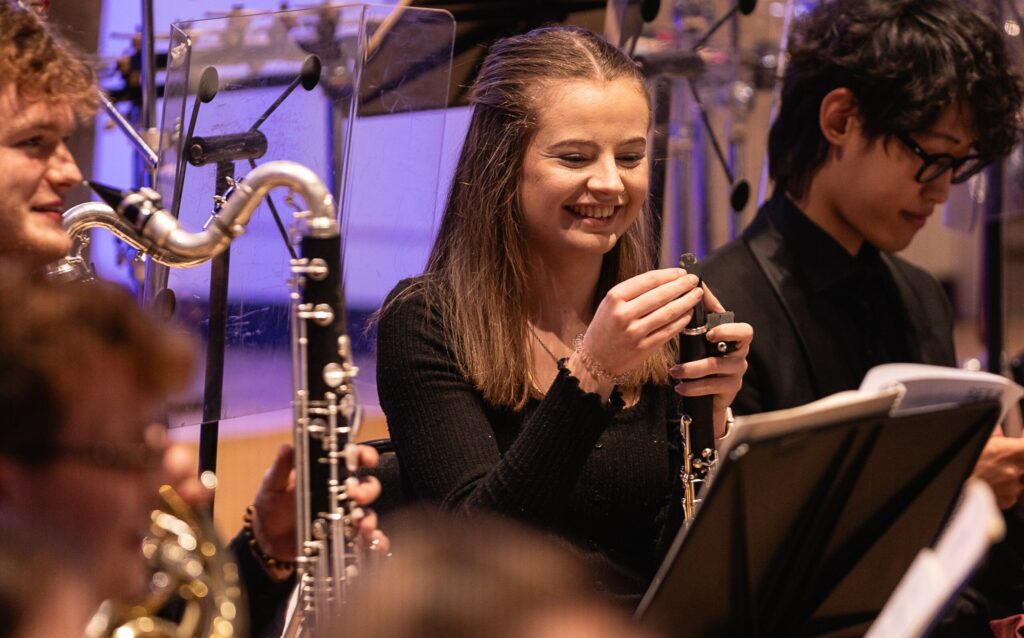
Wind
Led by Kevin Gowland, RNCM wind players have numerous learning, performance, and audition opportunities available to them. You’ll receive individual lessons as well as Performance/Techniques group classes, opportunities to study appropriate doubling or associated instruments, and masterclasses given by world-leading woodwind performers and professors.
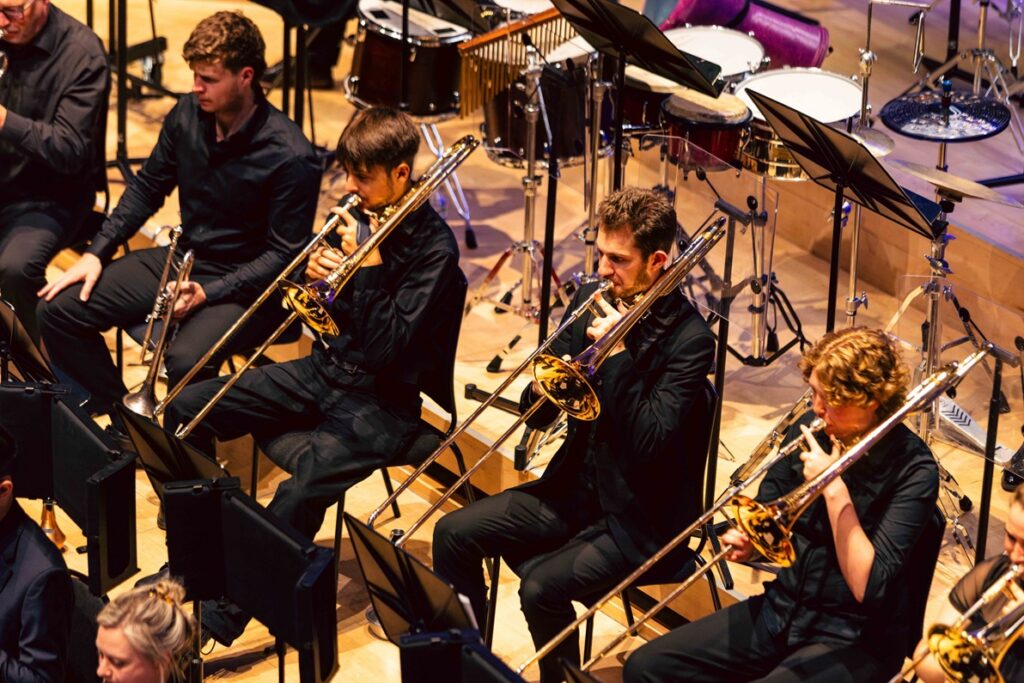
Brass
Led by Murray Greig, RNCM brass students receive a mixture of individual lessons and instrument-specific classes. You’ll develop a broad range of professional skills, with studies in historical performance, chamber music, orchestral playing, and jazz. International Professors from Europe and the US visit regularly to offer supplementary expertise.
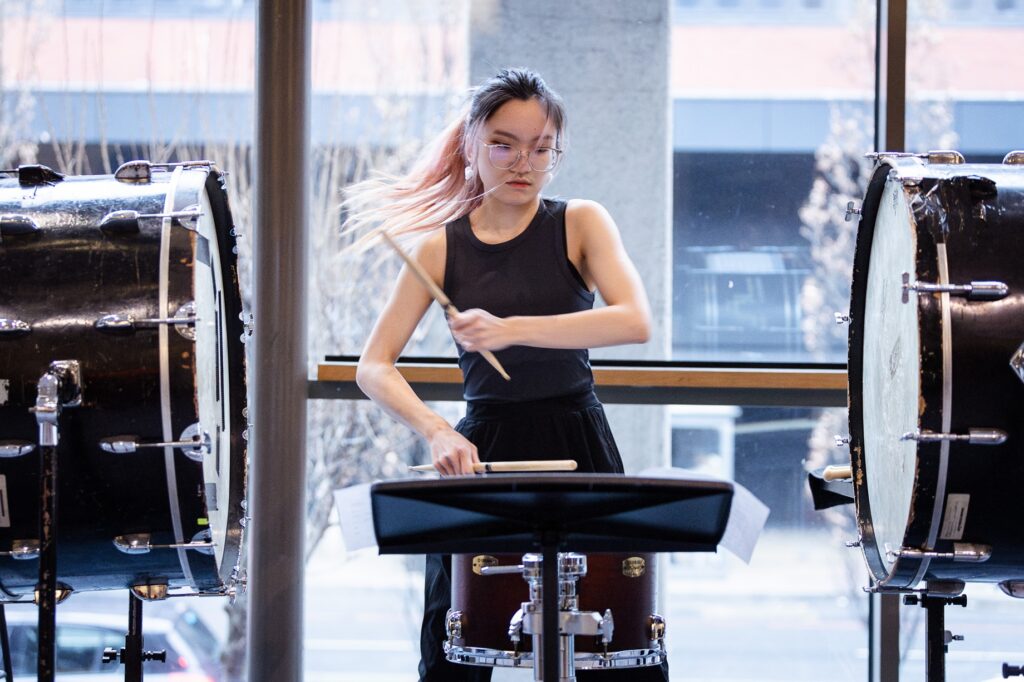
Percussion
Led by Simone Rebello, students receive world-class tuition and performance opportunities in a supportive and collaborative environment. You’ll receive tuition in timpani, tuned percussion, orchestral percussion, drum kit, and world music skills delivered in a variety of individual lessons by specialist professors.
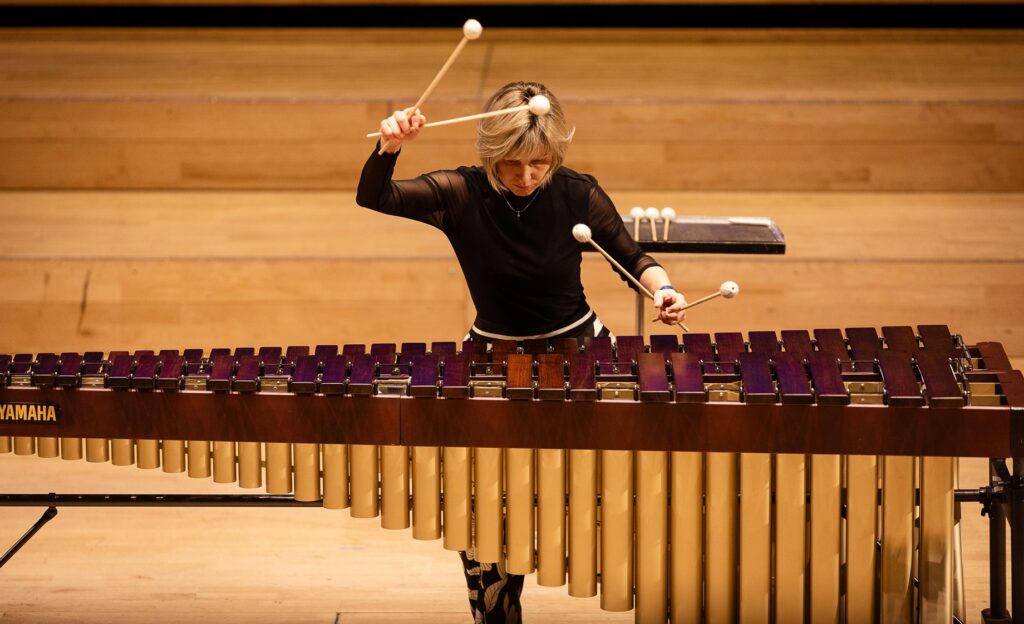
Masterclasses and Side-by-Sides
World-class artists and guest professors regularly lead public masterclasses and intensive coaching sessions for students. We also work with professional partners, including the BBC Philharmonic Orchestra, Hallé, and Orchestra of Opera North, to develop unrivalled side-by-side performance opportunities.
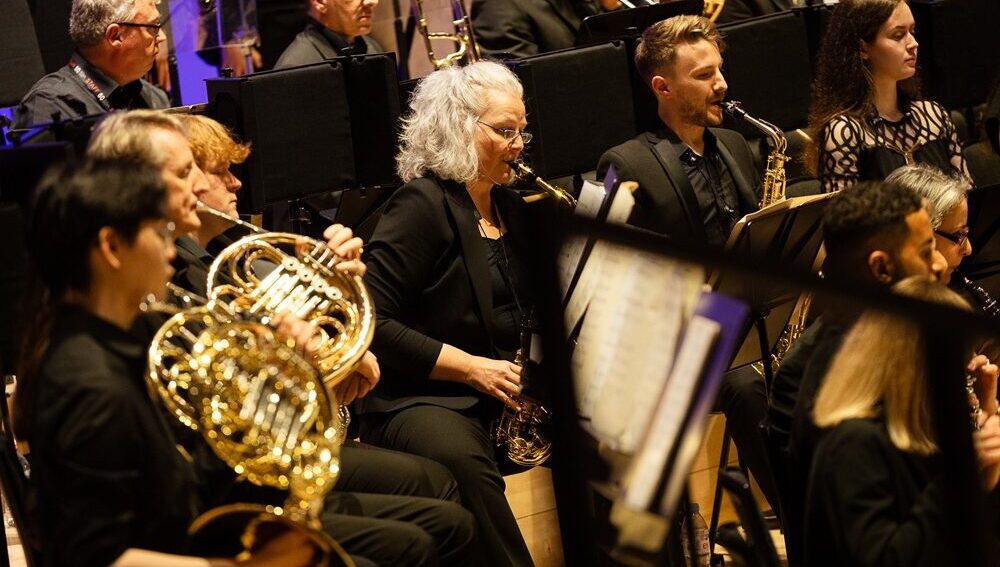
Professional Experience Schemes
Each year, multiple students undertake professional placements with our professional partners, which provide invaluable insight and practical experience of life within the profession through auditions, rehearsals, education projects, and public performances.
Alumni
Our alumni network is integral to our DNA and we’re continually impressed by the amazing things they achieve. Whether they’re performing in venues throughout the world, inspiring a classroom of children, making an incredible difference in hospitals and care homes, or utilising their skills in a different industry, their stories define who we are today and inspire where we could be tomorrow.
-
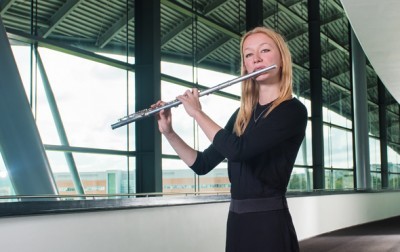
Amy Yule
Flute/Piccolo | 2015
-
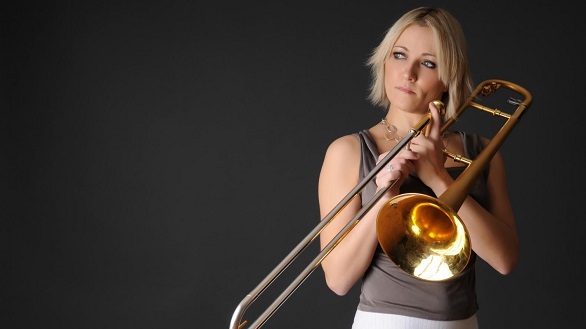
Carol Jarvis
Trombone/Bass Trombone | 2001
-
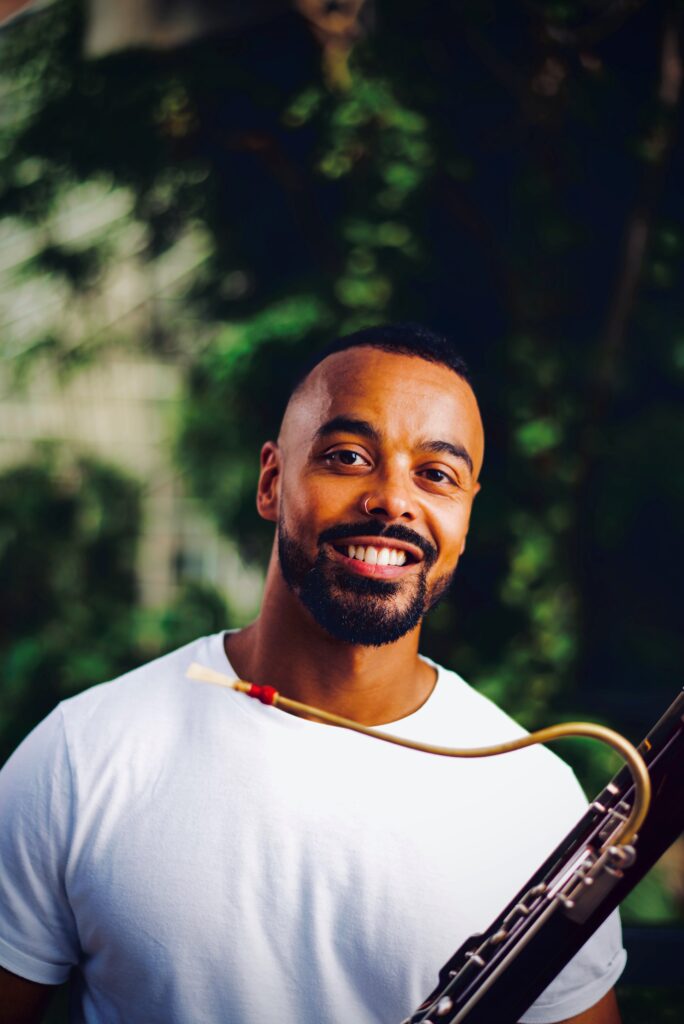
Linton Stephens
Bassoon | 2009
-
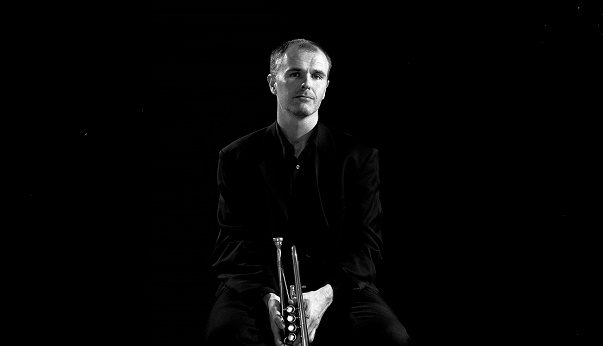
Mark O’Keeffe
Trumpet | 1992
-
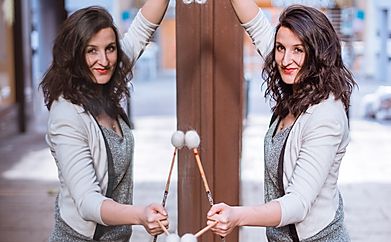
Delia Stevens
Percussion | 2014
-
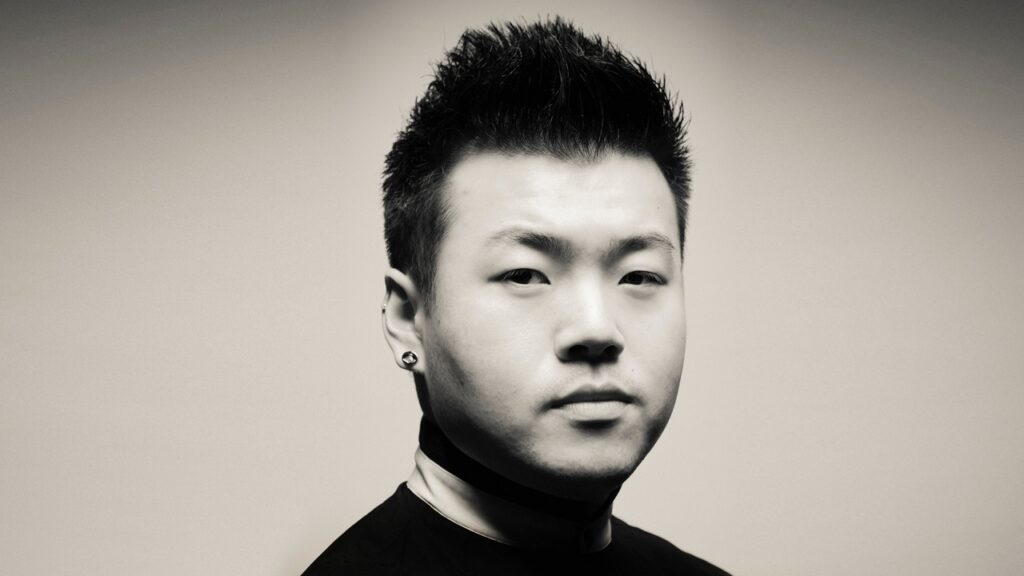
Le Yu
Percussion | 2014
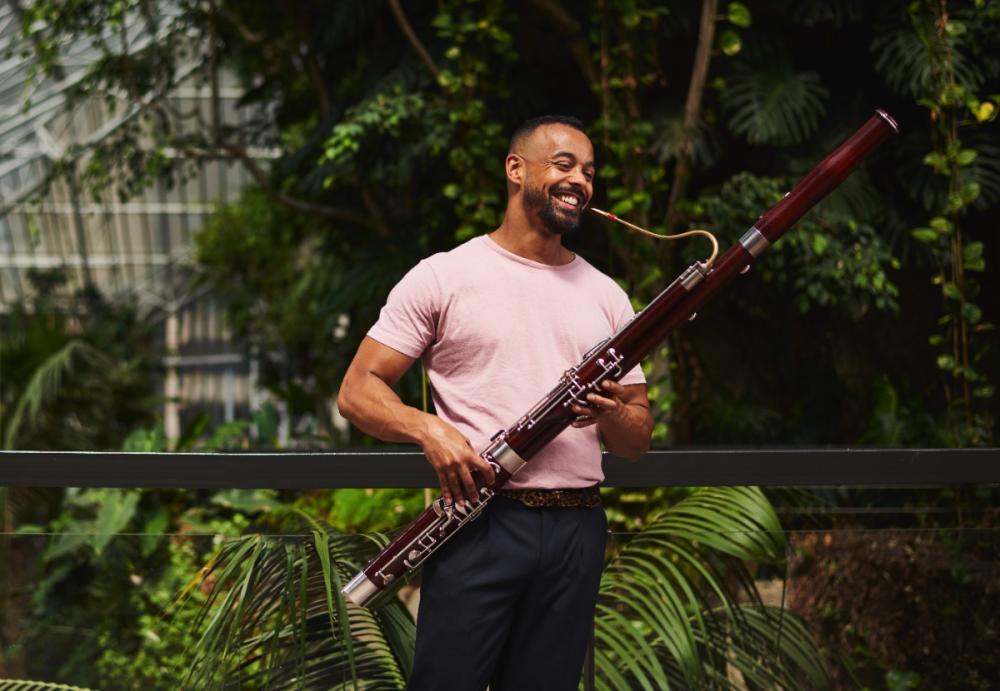
Alumni Spotlight
Linton Stephens | 2009
‘It’s hard to summarise what I learned at the RNCM… The top-quality teaching has been incredibly valuable for me as a player, but equally important are the skills that I have needed further down the line that I never even realised I was cultivating whilst studying. Advocacy, for myself and others, and communication are the things that immediately come to mind. In today’s music industry you need a lot of skills beyond just being a great player to have a healthy and fulfilling career, and in hindsight, the RNCM really helped prepare me for that.’
Linton Stephens (bassoon, 2009) is a BBC Radio 3 broadcaster and presenter, and freelance bassoonist
Alumni Spotlight
Ros Hawley | 1993
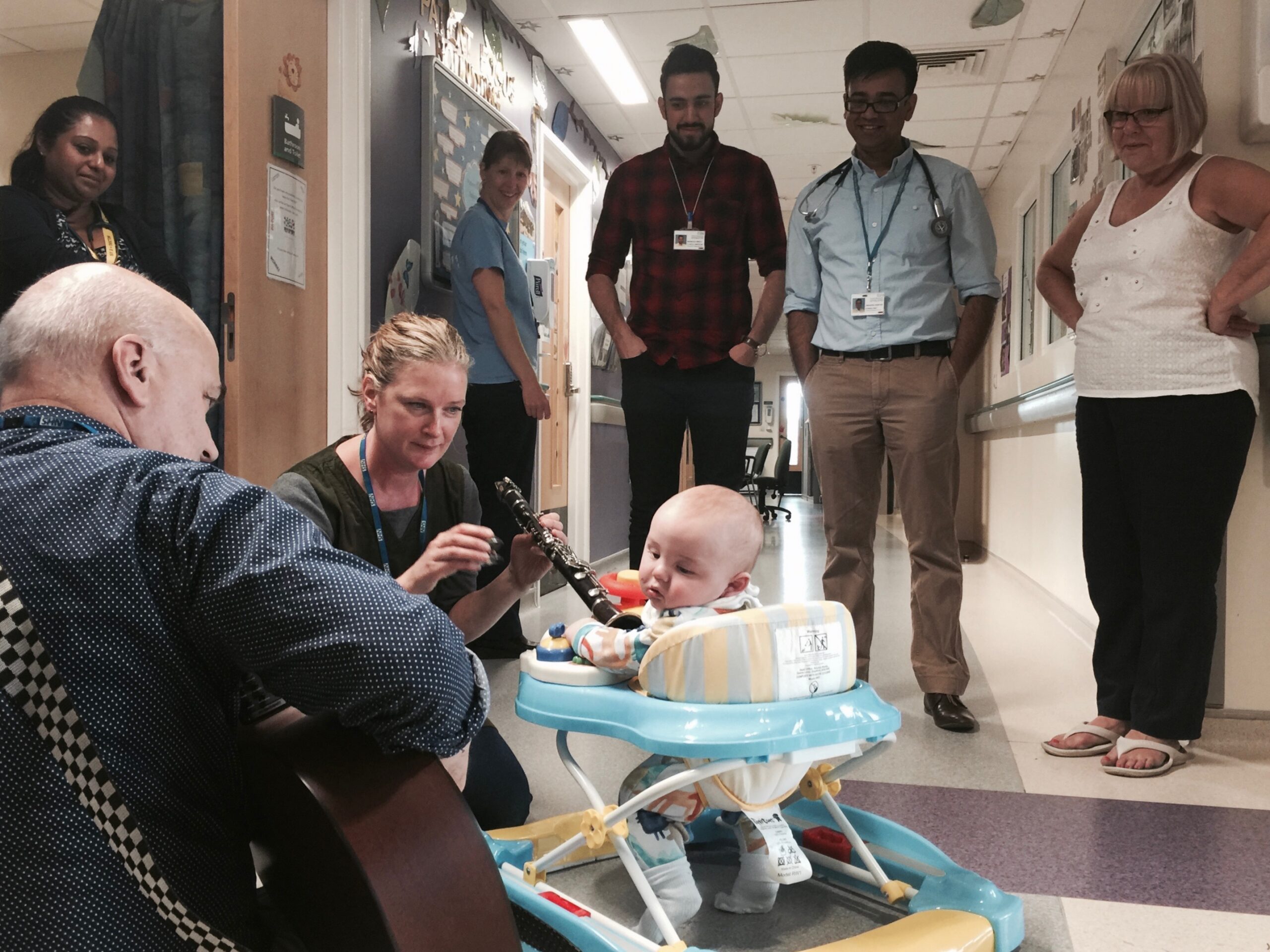
‘My experience at the RNCM laid the foundation for my future career. Being able to support today’s students in developing their musical skills in healthcare settings to make a meaningful contribution to people’s lives is a privilege.’
Ros Hawley (clarinet, 1993) is a clarinettist, Klezmer musician, and one of the UK’s foremost specialists in the creative and interactive use of music in special schools, hospitals, and palliative care.
Videos
News
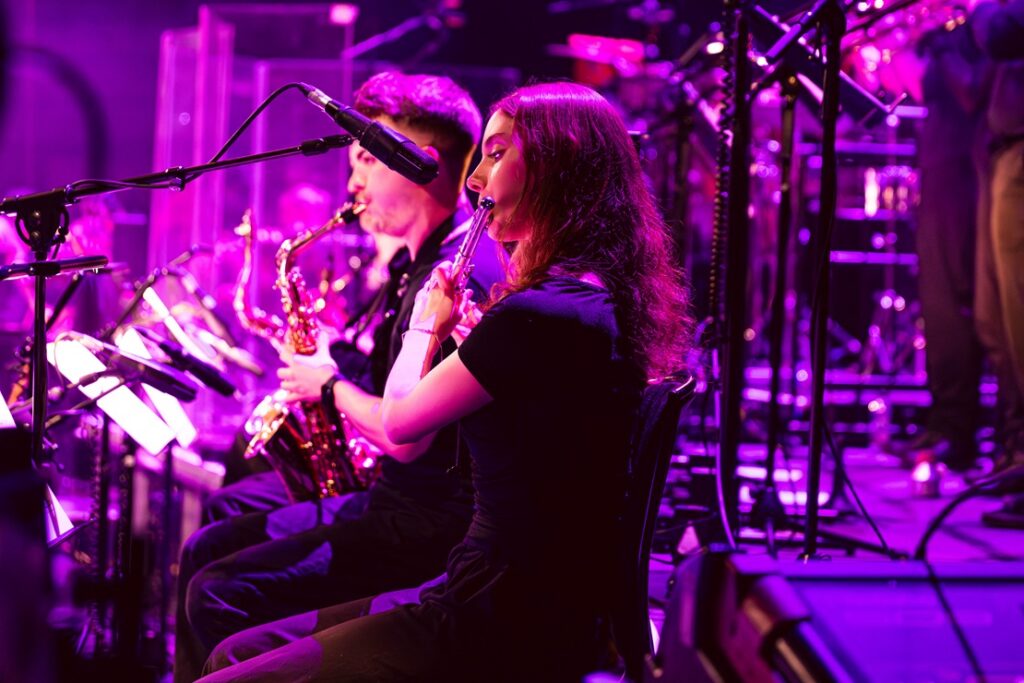
RNCM launches 10-year plan to power the music of tomorrow
7 October 2026
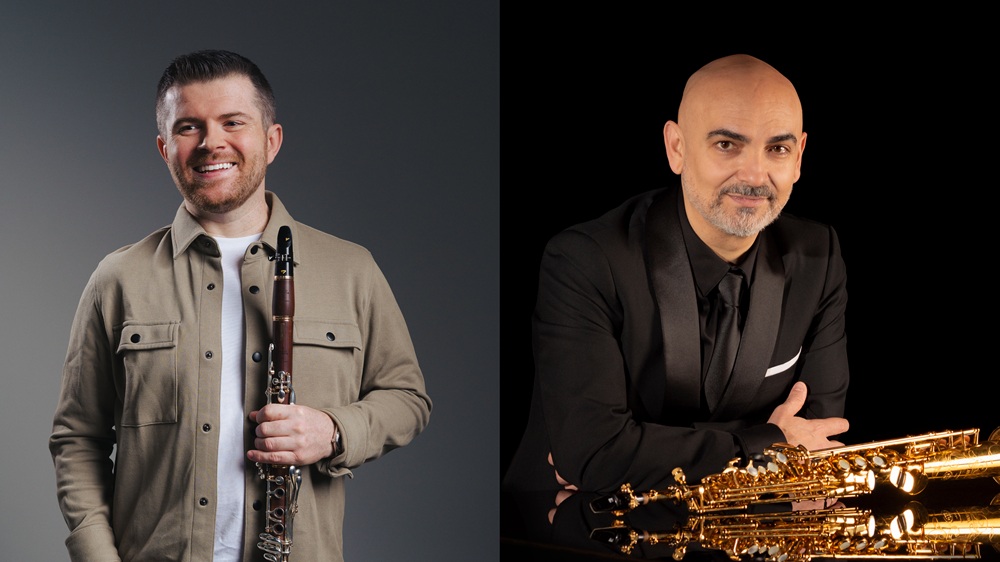
RNCM welcomes new professors to the School of Wind, Brass and Percussion
25 September 2026
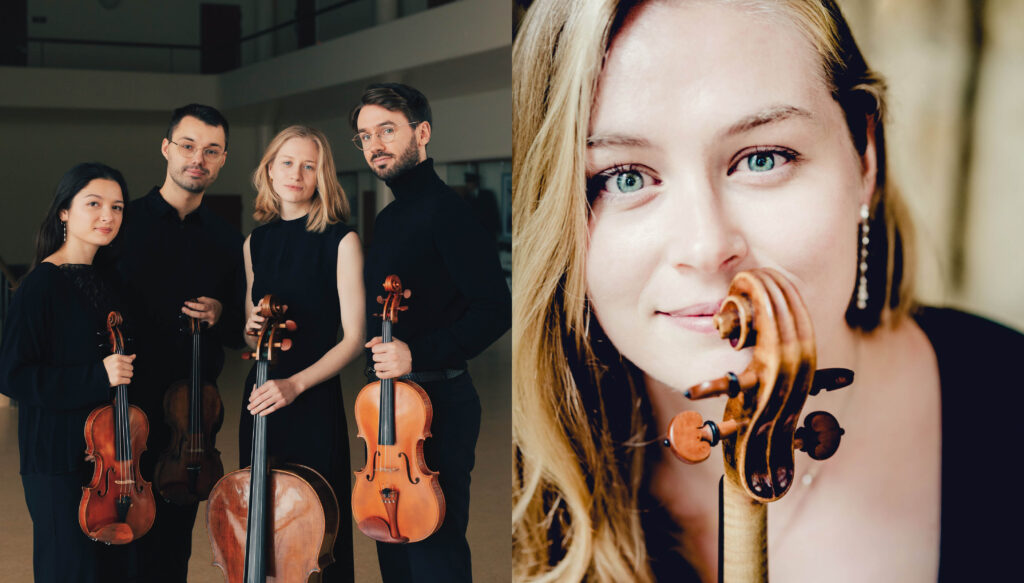
RNCM announces latest names to join chamber music pathways
21 September 2026
Application FAQs
How do I apply?
UCAS Conservatoires applications open on 9 July and close on 1 October. Once you have submitted your UCAS application, you should submit an Acceptd portfolio that meets the audition requirements for your instrument.
How much does it cost to apply and audition?
The UCAS application fee for 2027 entry is £34.50. The RNCM audition fee for Single Principal Study is £80 and £120 for Joint Principal Study.
Audition fee waivers are available for UK applicants who meet any of the following criteria:
- Applicants in receipt of UK government benefits
- Applicants with a combined household income of £35,000 or below
- Applicants who are eligible for free school meals (FSM)
- Applicants who are care leavers
Please contact [email protected] if you think you are eligible for a fee waiver.
Do I have to come to the RNCM for my live audition and interview?
All UK-based applicants are encouraged to attend their audition live at the RNCM in Manchester. Overseas applicants and those unable to travel are welcome to apply for an online audition and interview, which will take place in our main auditions period alongside in-person auditions.
When will I receive a decision from the RNCM?
If you apply on time and audition within our main auditions period, you will be notified of the outcome of your application by Thursday 24 December.
For late applicants, we aim to process all application decisions within 2 weeks of each audition.