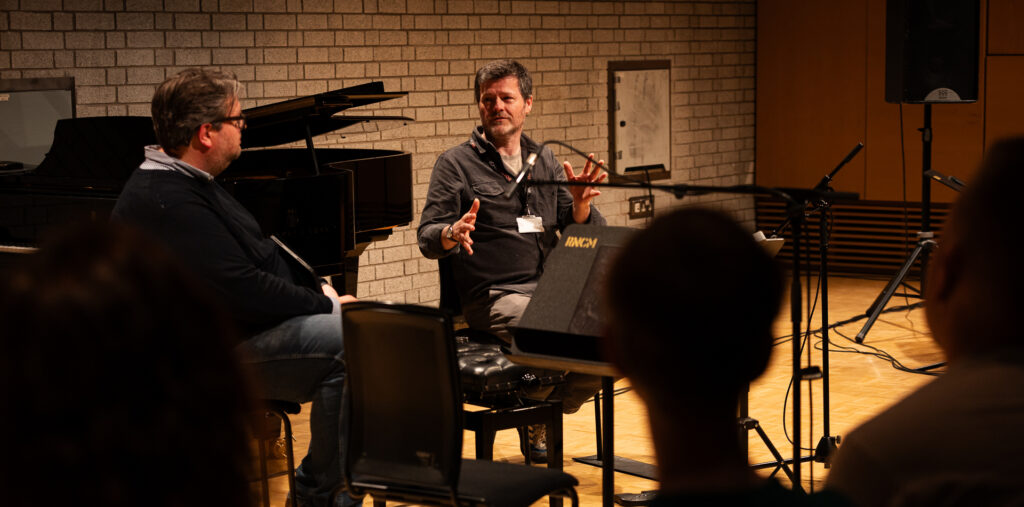
PhD
If you have a strongly defined idea for a research project related to some aspect of music and want the freedom to pursue it through rigorous enquiry and reflection, a research degree (PhD) may be right for you.
All students are supported by a supervisory team, drawn from our specialist faculty. We have supervisory expertise in areas relating to musicology, music education, music psychology, composition, performance, and popular music (musicological and practice-based, including production). Research topics and methods should be congruent with that of your primary supervisor, so we advise applicants to start the process by viewing current staff research interests, published on the RNCM Research Portal, before contacting the Head of Doctoral Programmes for an initial conversation.
Whatever your area, you’ll have access to outstanding resources and facilities, exceptional supervision, individually tailored training, and opportunities for career development and enhancement at the RNCM and through partner organisations, including the North West Consortium Doctoral Training Partnership and the Crafting Care Doctoral Focal College. In addition, PhD students play an active role our research events programme, including participating in the weekly Research Forum.
Key Information
- Duration
- 3 years full time or 6 year part time
- Course Code
- 500F 3 years; 500P 6 years
- Fees
- Fee guide
Entry Requirements
If you are unsure of the status of your qualifications or require further information, please contact Charlotte Wheatcroft (Programmes and Assessments Coordinator) at [email protected].
Professors
-
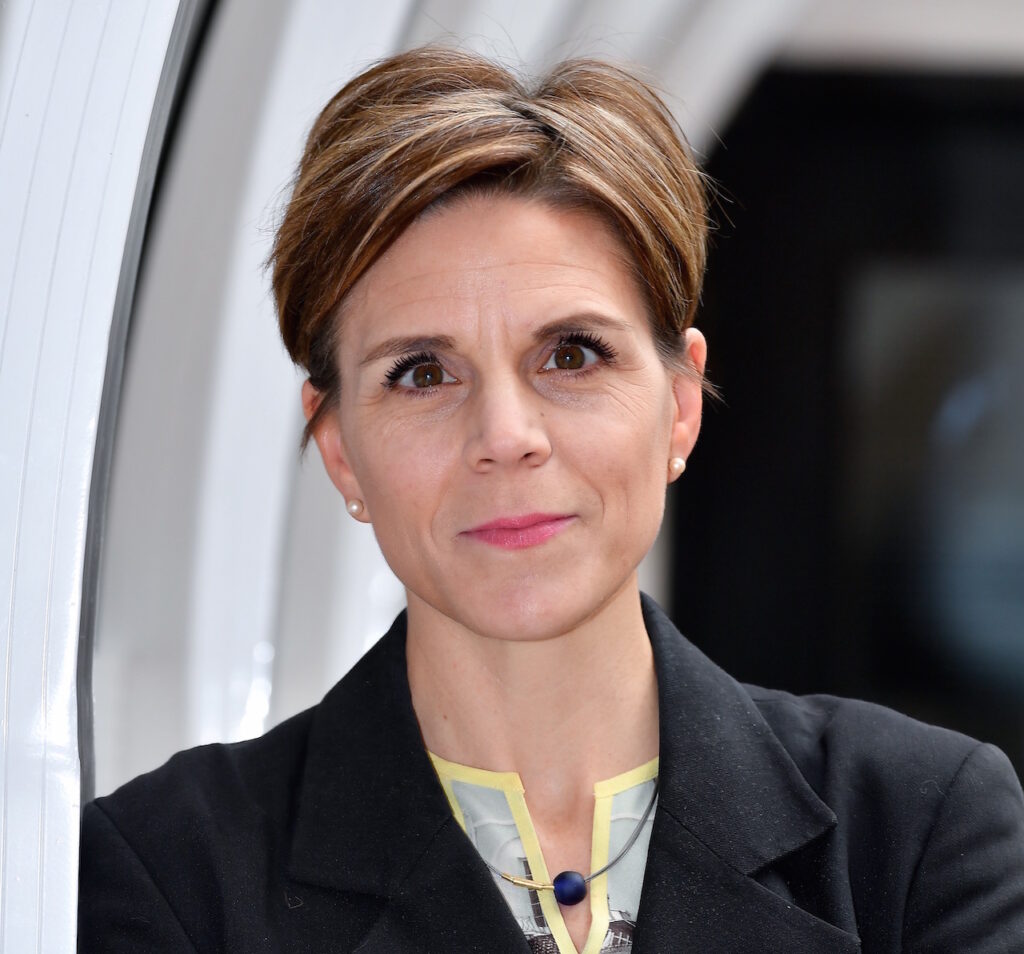
Wiebke Thormählen
Director of Research
-
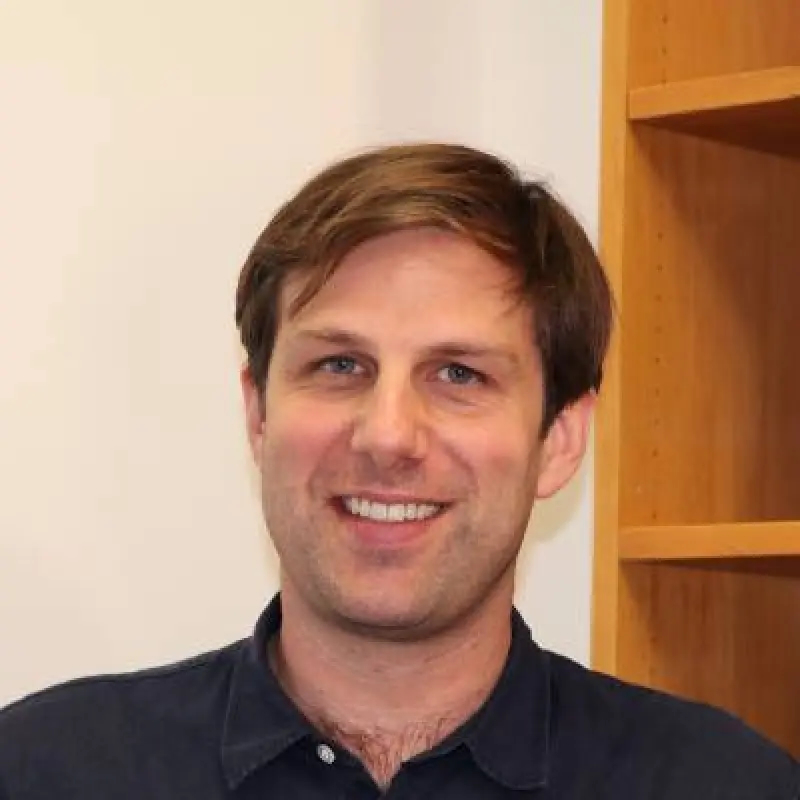
Tom Parkinson
Head of Doctoral Programmes
-

Austin Glatthorn
Head of Research Management, Lecturer in Music
-
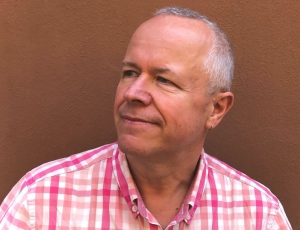
David Horne
Professor in Composition and Head of Graduate School
-
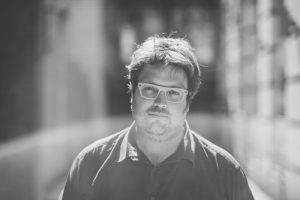
Larry Goves
Head of School of Composition
-
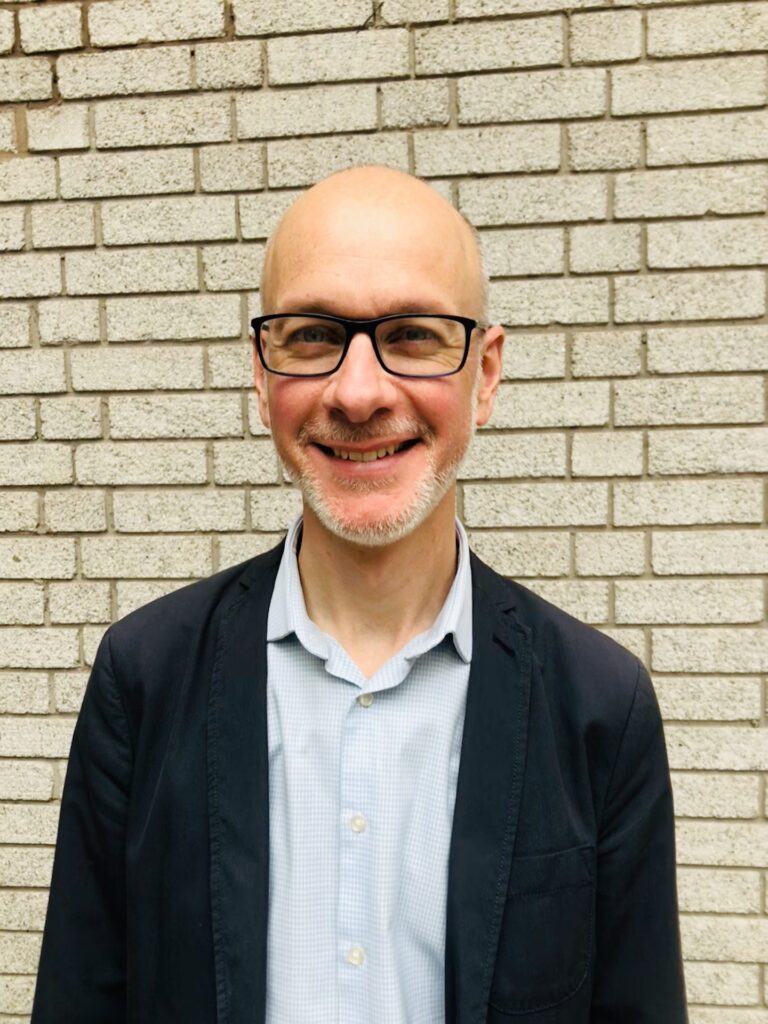
John Habron-James
Head of Music, Health and Wellbeing
-
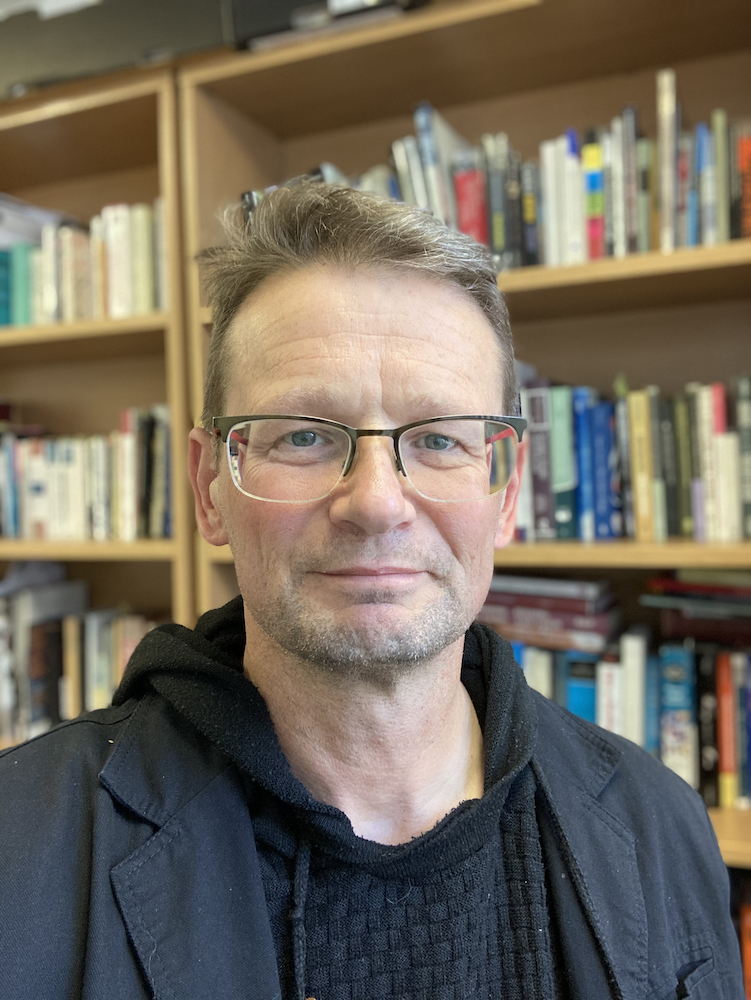
Nicholas Reyland
Professor of Music and Head of Undergraduate Programmes
Specialist Pathways
There are five specialist pathways:
Performance: including performance practice and practice-as-research including Pop
Composition: in a variety of media and genres including Pop
Musicology: including the historical, analytical and cultural study of music
Music Psychology and Cognate Disciplines: including both quantitative and qualitative research in the fields of expert music performance and training
Music Education and Pedagogy: including the philosophy, history, practice and theory of music education
A full-time PhD degree usually takes three years. UK students can also take the degree part-time, in all pathways, over six years.
How to Apply
First, read the Guidelines for Applicants and browse the research interests of RNCM staff to determine a prospective supervisor for your research project.
You are strongly advised to discuss your research project with the prospective supervisor you have identified, or with one of the members of staff listed below. They will not suggest specific topics to you; rather, they will expect you to be familiar with published and on-going research in your field of interest, and to be capable of constructing a proposal for an original research project.
Performance: Professor David Horne ([email protected])
Composition: Dr Larry Goves ([email protected])
Pop: Dr Stuart McCallum ([email protected])
Music Education: Professor John Habron-James ([email protected])
Music Psychology: Dr Tom Parkinson ([email protected])
Musicology: Professor Nicholas Reyland ([email protected])
Once you have received feedback on your draft research proposal from the appropriate member of staff, have identified two referees who know your current or recent academic work, and are ready to make a formal application, you should download and complete an application form.
Applicants must download a PGR Reference Request and Report and send it to their referees. Referees must then complete the form and return it to [email protected].
PGR Alumni
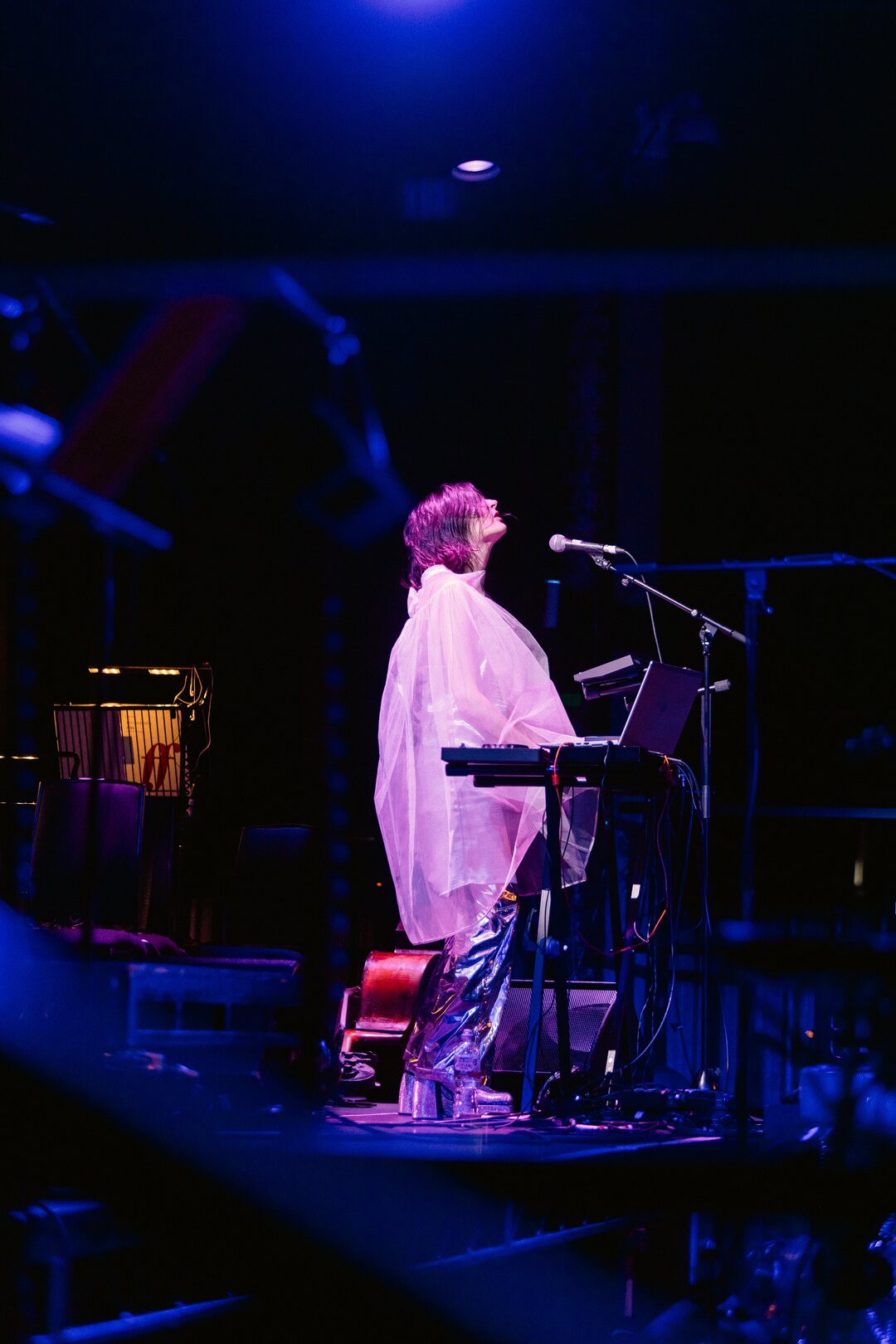
Alumni Spotlight
Anna Appleby | Composition
‘The RNCM’s fresh and innovative approach was the reason I moved to Manchester. My teachers on the MMus course guided me with so much insight and inspiration, creating a warm community in which to grow. The College also provided a great site for artistic experimentation and creative risk-taking – the best way to learn! I went on to work with companies such as Rambert, Glyndebourne, Dutch National Ballet, and many more, but it’s not surprising that I returned to the RNCM a few years later to do a PhD; it felt like coming back home.’
Anna Appleby is an RNCM Professor of Composition, opera composer, pop musician, and recent PRiSM Doctoral Researcher with the BBC Philharmonic Orchestra