Collaboration
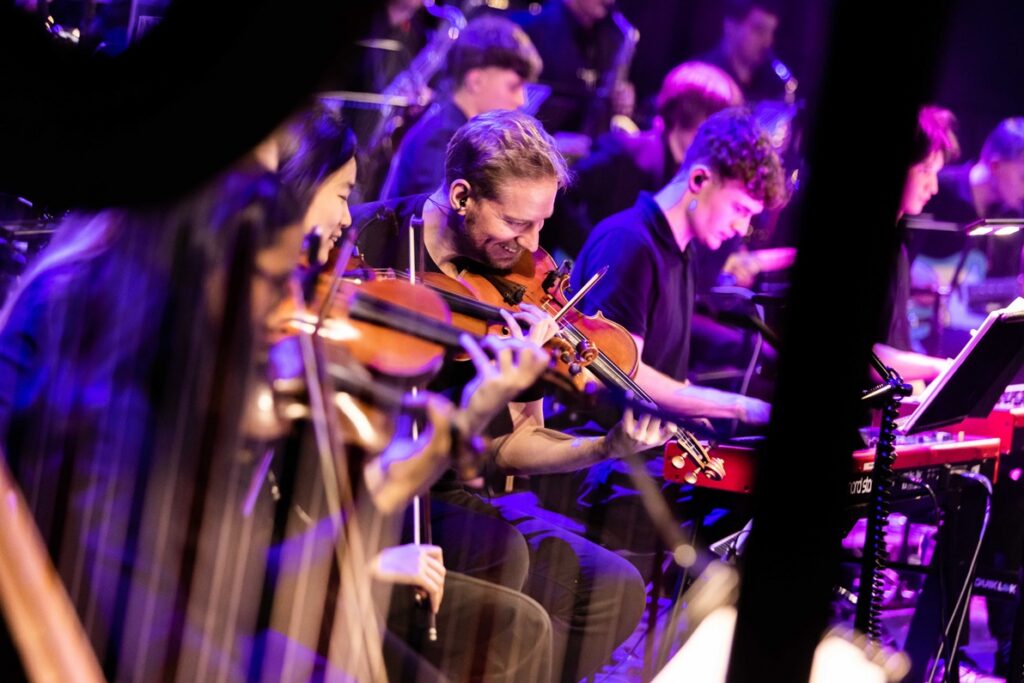
Collaboration remains one of the most important components of conservatoire education.
Working together not only sparks creativity and heightens technical ability, but it also helps students to broaden their artistic perspectives, develop vital communication and interpersonal skills, and build confidence among peers.
Through chamber music coaching, jazz improvisation sessions, composition workshops, cross-School performances, and collaborative projects with external artists and partners, RNCM students learn to listen actively, adapt to different musical contexts, experience a diverse range of viewpoints, and contribute meaningfully to shared artistic goals.
Chamber Music
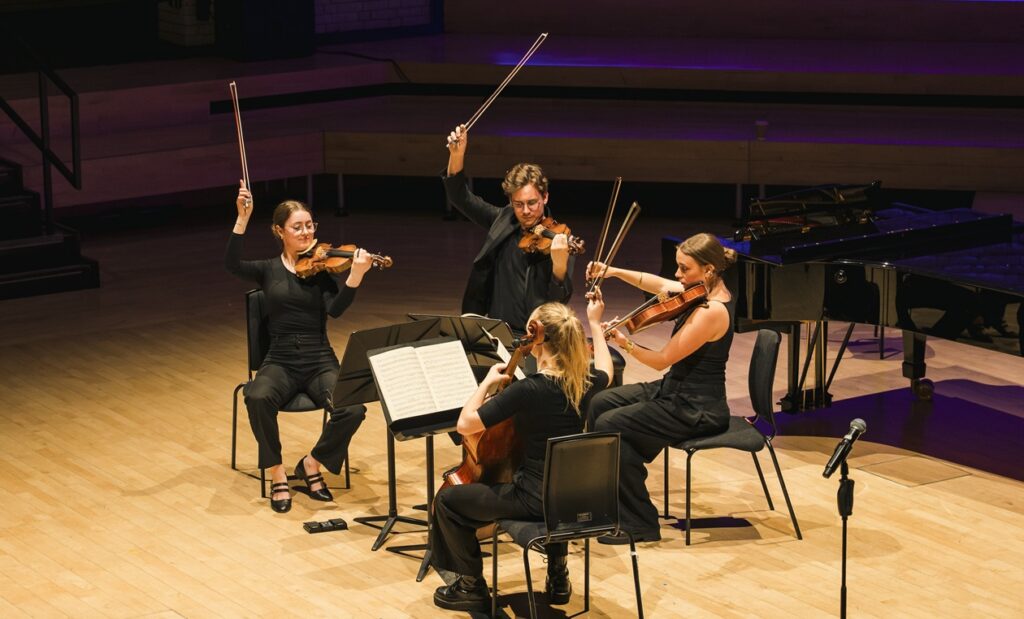
The RNCM offers a vibrant and dynamic chamber music programme, providing valuable opportunities to develop your skills through expert tuition, masterclasses, and performance.
We also benefit from strong links with chamber music organisations worldwide. As the UK’s only member of the European Chamber Music Academy, our advanced chamber ensembles can take part in classes at leading institutions such as the Paris Conservatoire and the University of Music and Performing Arts in Vienna.
Jazz and Improvisation
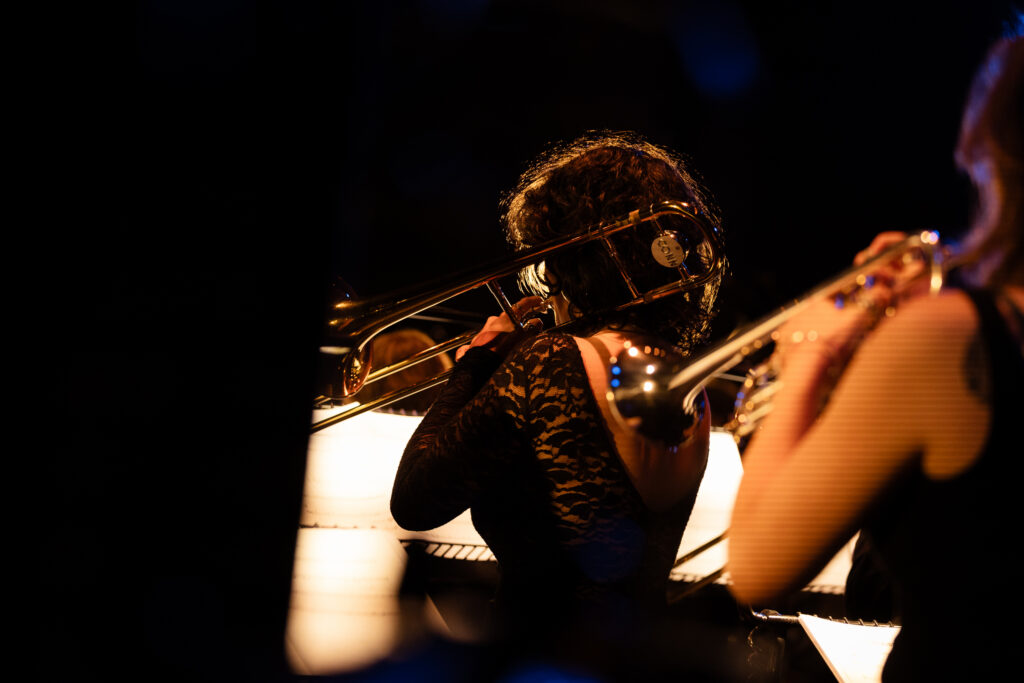
At the RNCM, improvisation is for everyone. Whether you’re an experienced jazz musician, a classical performer looking to broaden your artistry, or simply curious about creating music spontaneously, you’ll find opportunities to explore, experiment, and develop your own musical voice.
From your first year onwards, improvisation is woven into undergraduate study through practical teaching, specialist modules, performance projects, and masterclasses with internationally renowned artists. Alongside dedicated jazz ensembles and electives, students from all schools can engage with jazz and improvisation as part of a vibrant creative community.
Choirs
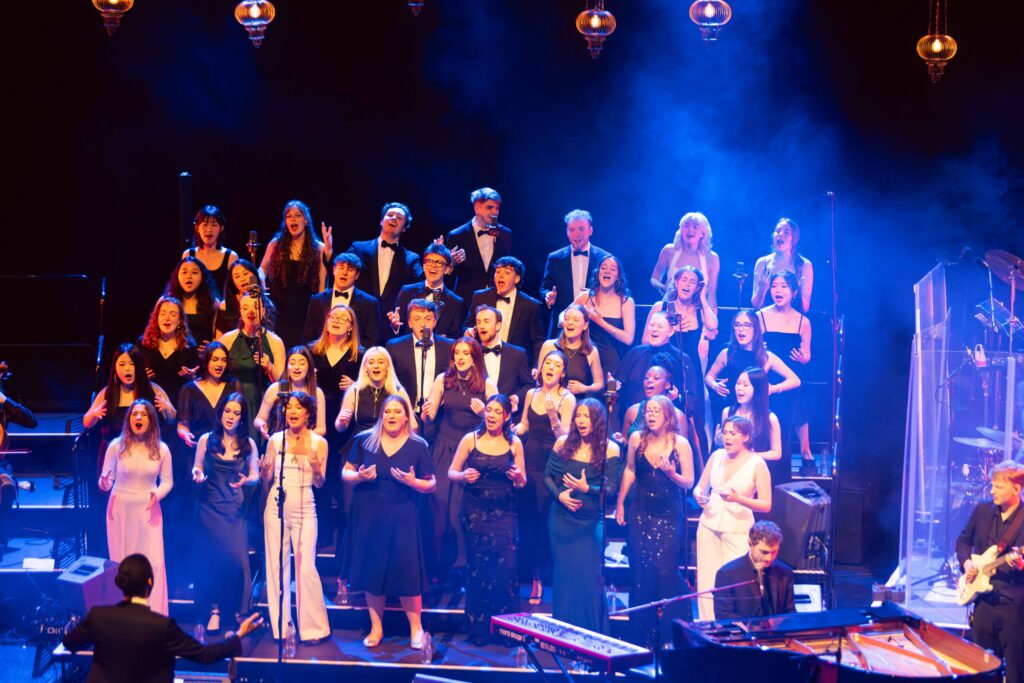
Choral singing is a vibrant part of RNCM life, with the RNCM Symphony Chorus, Chamber Choir and Gospel Choir offering students from all Schools of Study the chance to develop their musical and collaborative skills.
These ensembles perform regularly for public audiences, with opportunities that can extend beyond the College to collaborations with professional organisations such as the Hallé and Bergen Philharmonic Orchestras.
Conducting
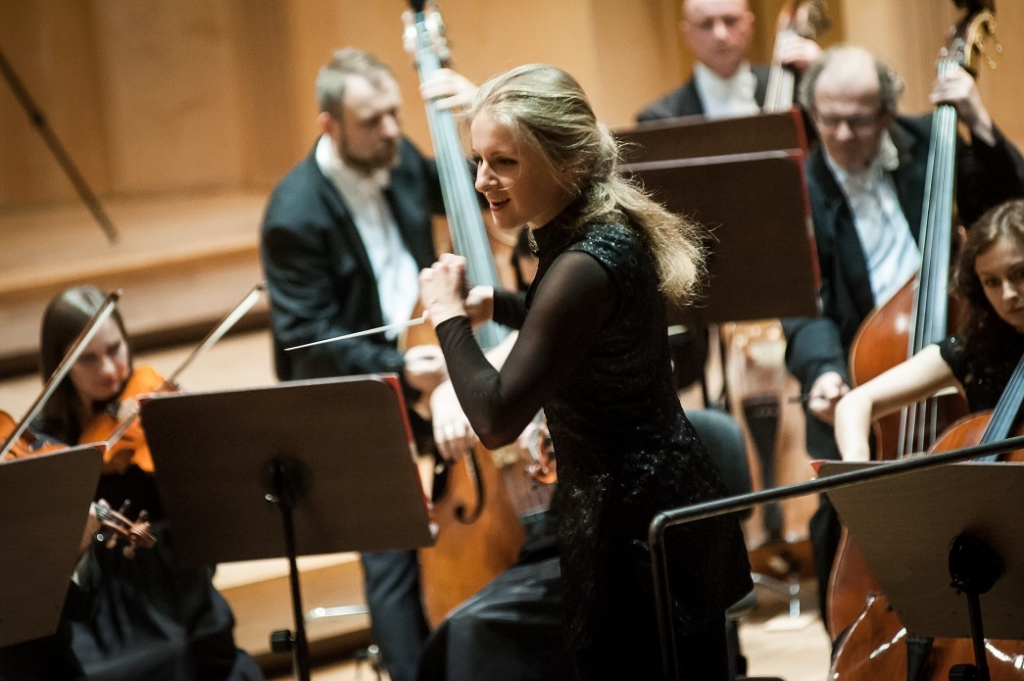
If you’re not a principal study conducting student, the RNCM has an unrivalled range of opportunities to develop your skills in this specialism.
From directing chamber ensembles and student-led projects to working with choirs and large-scale orchestral performances, aspiring conductors can gain valuable practical experience alongside their studies. These opportunities foster collaboration across the RNCM, helping students build confidence, leadership skills, and artistic insight in real-world performance settings.
New Music
The RNCM fosters a culture of innovation where students are encouraged to create, experiment, and collaborate across disciplines.
Through initiatives including In Focus, Manchester Contemporary Orchestra, RNCM Lab Week, and opportunities within the popular music programme, students work with leading artists, explore new approaches to music-making, and bring original work to audiences in a supportive and inspiring environment.

Collaborative Piano
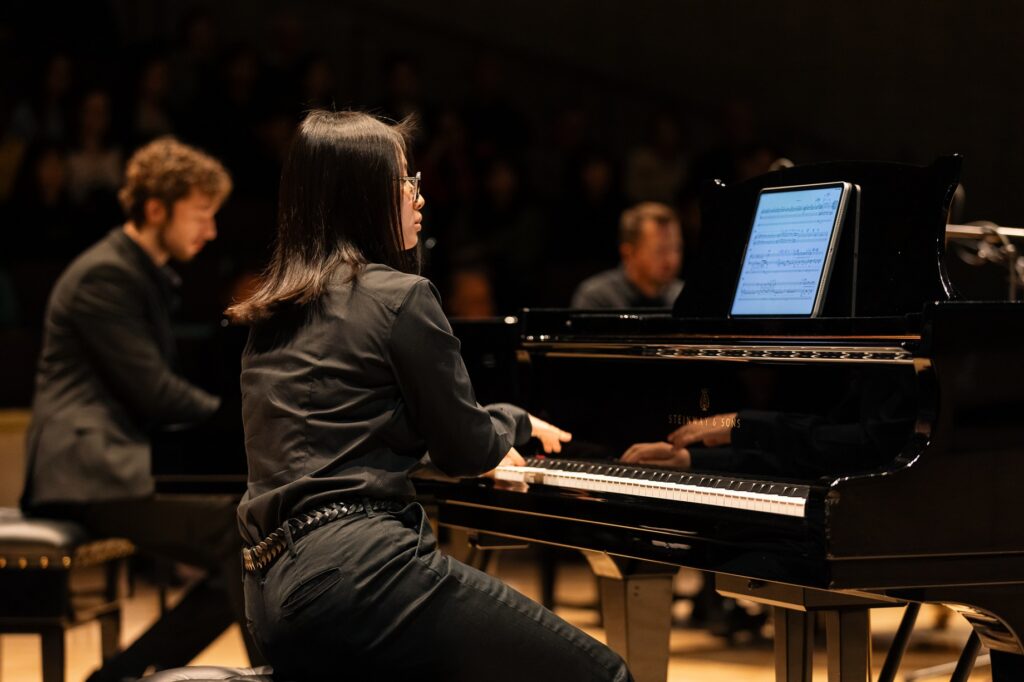
Collaborative piano offers pianists the opportunity to develop the art of musical partnership at the highest level.
Through coaching, rehearsals, and performances, students work closely with singers, instrumentalists, and ensembles, building the communication, responsiveness, and stylistic awareness that are essential to successful collaboration. These experiences create a rich culture of shared music-making and prepare students for the demands of professional performance.
Historical Performance
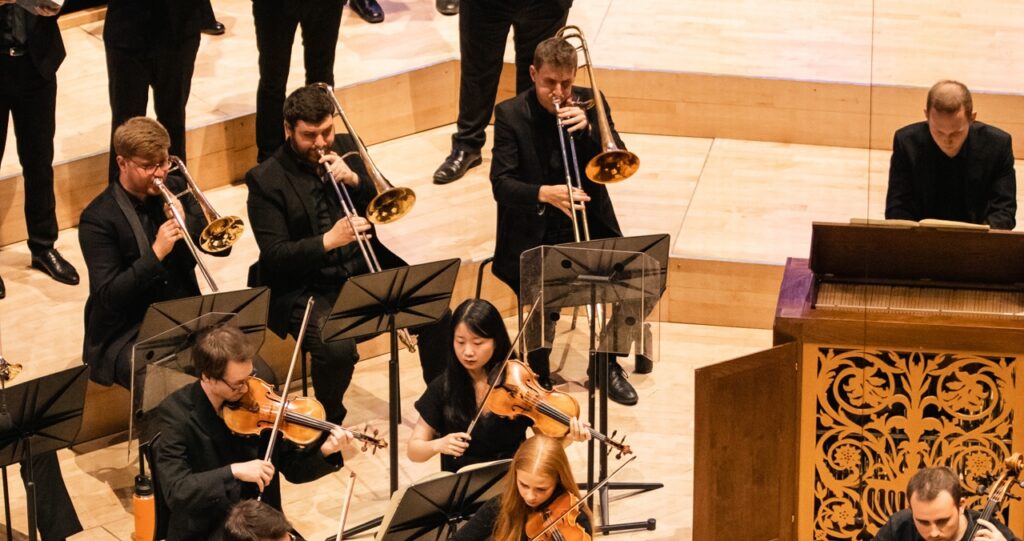
A strong grounding in early performance styles, repertoire, and technique can significantly enrich your musical development. At the RNCM, all students can work with historical instruments during their studies, guided by specialist professors and visiting artists.
Our Historical Performance Teaching Fellows coach and coordinate ensembles across a wide range of repertoire, from Baroque cantatas and trio sonatas to 18th- and 19th‑century chamber music. Cross‑school collaboration is encouraged, broadening your experience of working with instrumentalists and singers across disciplines, while repertoire is carefully selected to suit individual interests and experience.
Opportunities
Cross-School Collaboration
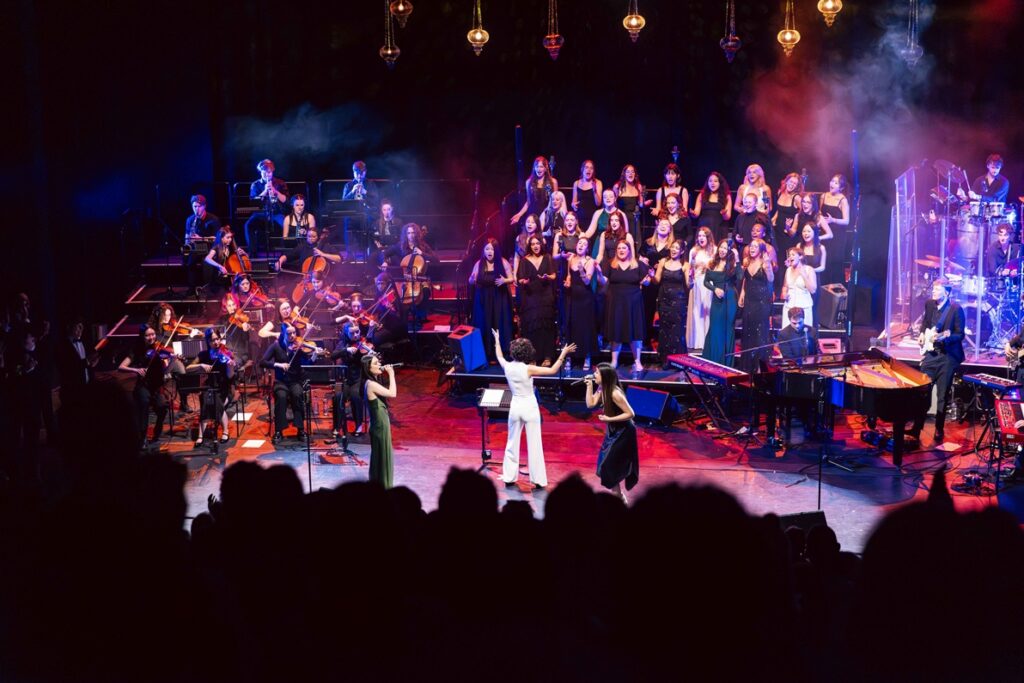
Through cross-School collaboration, classical and pop students regularly create and perform together, gaining valuable experience of working in diverse artistic settings.
Visiting Artists
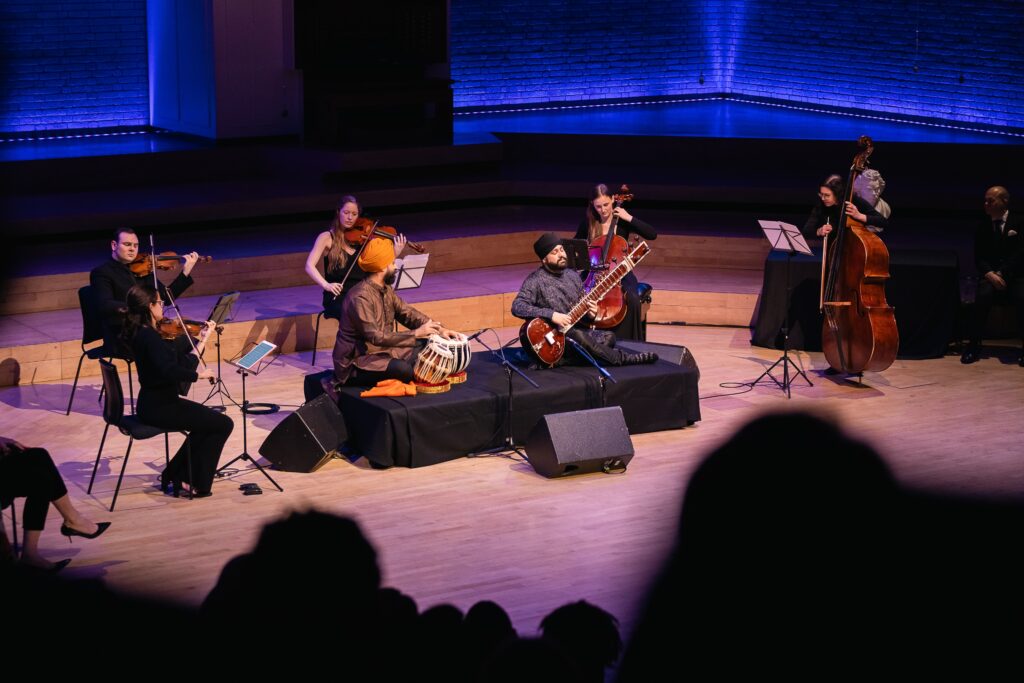
RNCM students have the chance to learn from and perform with leading international artists, ensembles, and orchestras through side-by-side projects, masterclasses, and workshops.
Lab Week
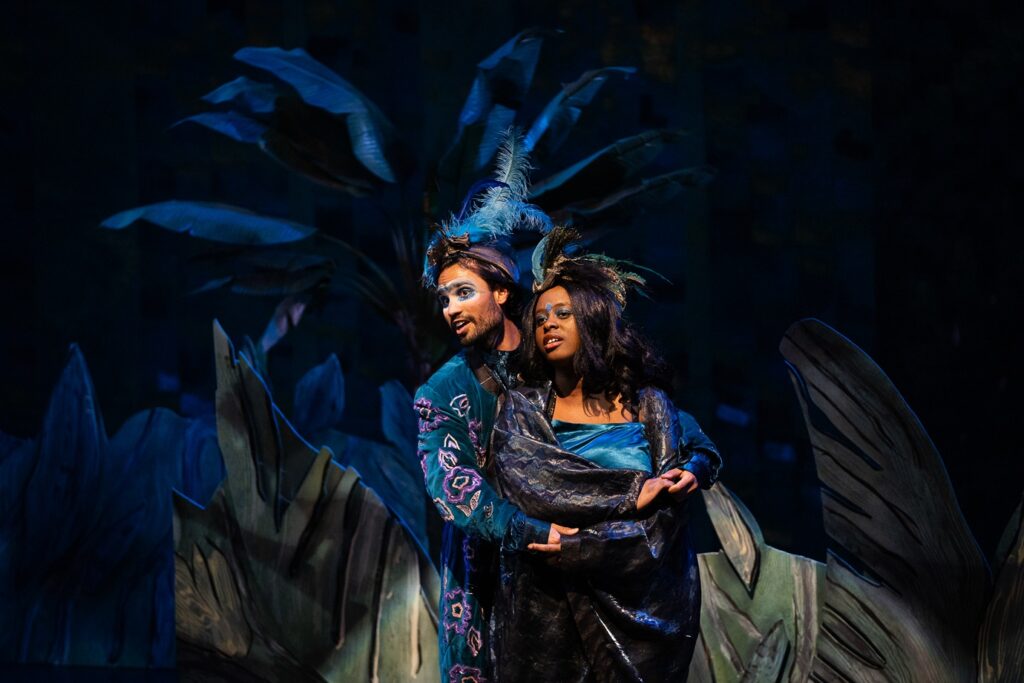
Our annual Lab Week encourages students from all disciplines to push the boundaries of traditional music practice and develop their creativity in a ‘safe to fail’ environment.