Academic Studies
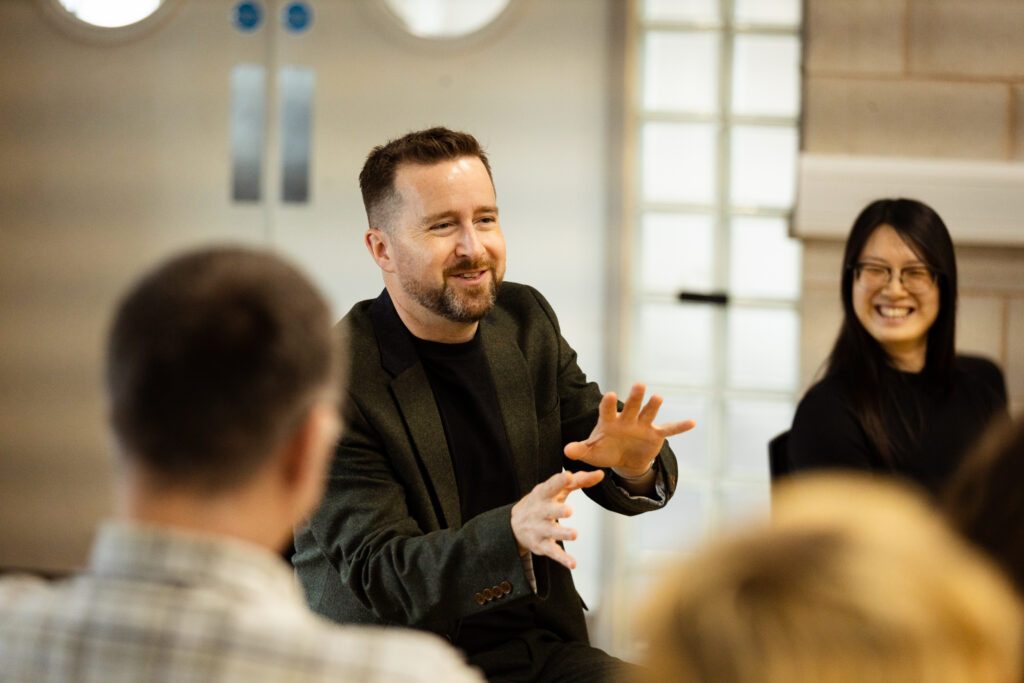
Academic Studies underpins our Bachelor of Music with Honours programme and is an integral part of conservatoire training at the RNCM.
Bringing together the ideas, knowledge, and skills that deepen musical understanding, it helps students become not only exceptional performers and composers, but also thoughtful, informed and adaptable musicians.
Through the study of music from multiple perspectives, students connect performance and composition with theory, history, culture, psychology, health and wellbeing, education, and professional practice. Rigorous study and critical enquiry develop the confidence to question, analyse, and articulate ideas, enriching creative work and broadening understanding of music’s role in society.
As students progress through the programme, they can tailor their studies through a range of specialist electives led by leading researchers and academics. Topics span historical and contemporary performance practice, composition, notation, orchestration, music and the visual arts, music for the stage, arranging, and more. Together, these modules offer intellectually stimulating, research-informed teaching that complements practical training and supports a wide range of artistic and professional ambitions.
Key Information
- Please note that GRNCM students do not take Academic Studies modules at the RNCM as requirements are fulfilled through the MusB programme at The University of Manchester.
- The Academic Studies team teach and supervise academic aspects of postgraduate programmes. For further information, please visit the Graduate School pages.
Professors and Lecturers
Students are taught by a team of expert academics, researchers, and practitioners.
-

Jennie Henley
Director of Programmes
-
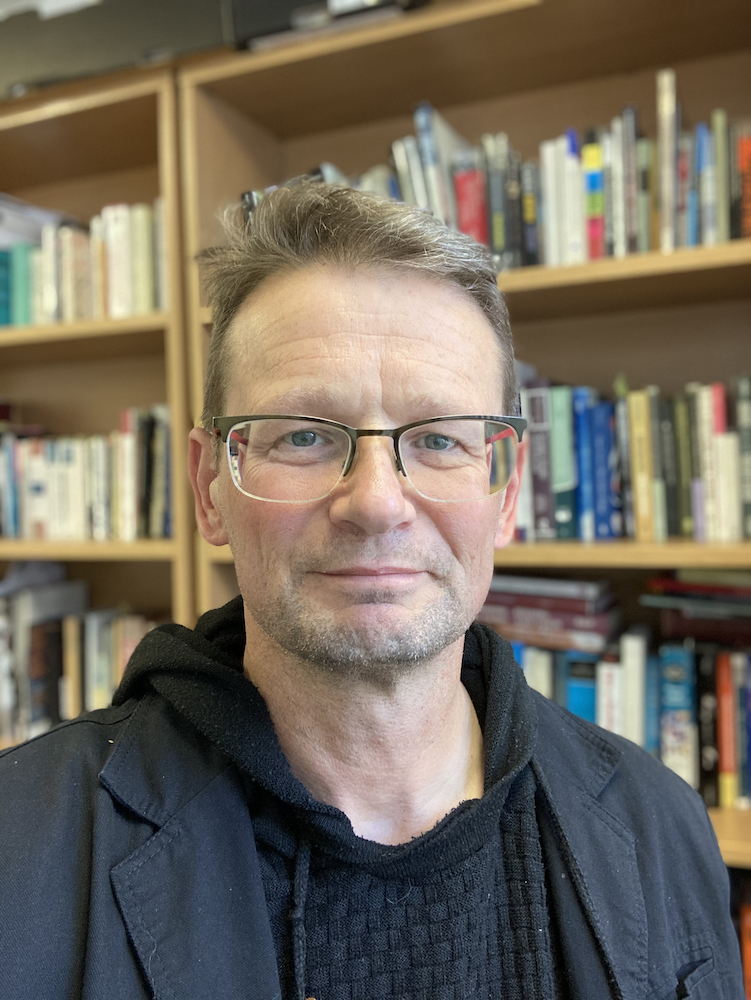
Nicholas Reyland
Professor of Music and Head of Undergraduate Programmes
-
Simon Parkin
Senior Lecturer in Music and Deputy Head of Undergraduate Programmes
-

Annika Forkert
Senior Lecturer in Music and Deputy Head of Undergraduate Studies
-

David Horne
Professor in Composition and Head of Graduate School
-

Simon Clarke
Senior Lecturer in Philosophy and Music and Deputy Head of Graduate School
Opportunities

Professional and Transferable Skills
Academic Studies provides opportunities to strengthen skills that are valuable both within and beyond the music industry, including: critical thinking, research and enquiry, communication and presentation skills, project management, and independent learning.
Exploring Options
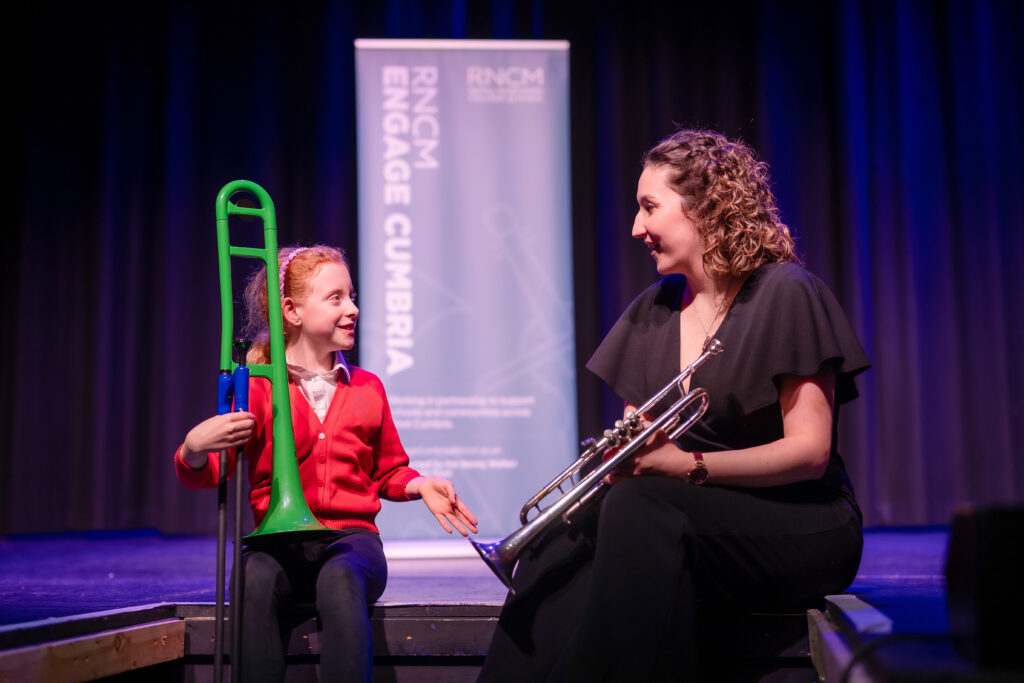
Students are encouraged to think broadly about the role of music in the world and how their own practice can have impact beyond the stage. Academic Studies can spark new interests and open doors to areas such as: music education, research, arts management, community music, music and health, and policy and advocacy.
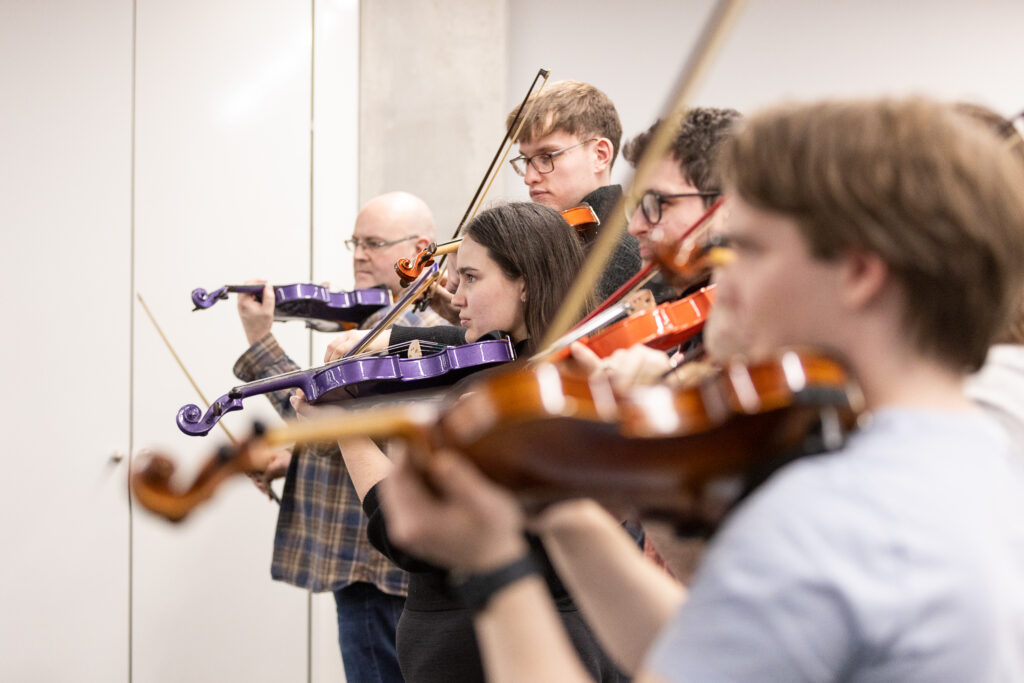
Deepening Musical Understanding
Academic Studies helps students become more insightful performers, composers, and educators. Through areas such as analysis, music history, harmony, aesthetics, and cultural studies, students gain a richer understanding of repertoire, styles, and artistic contexts.
News
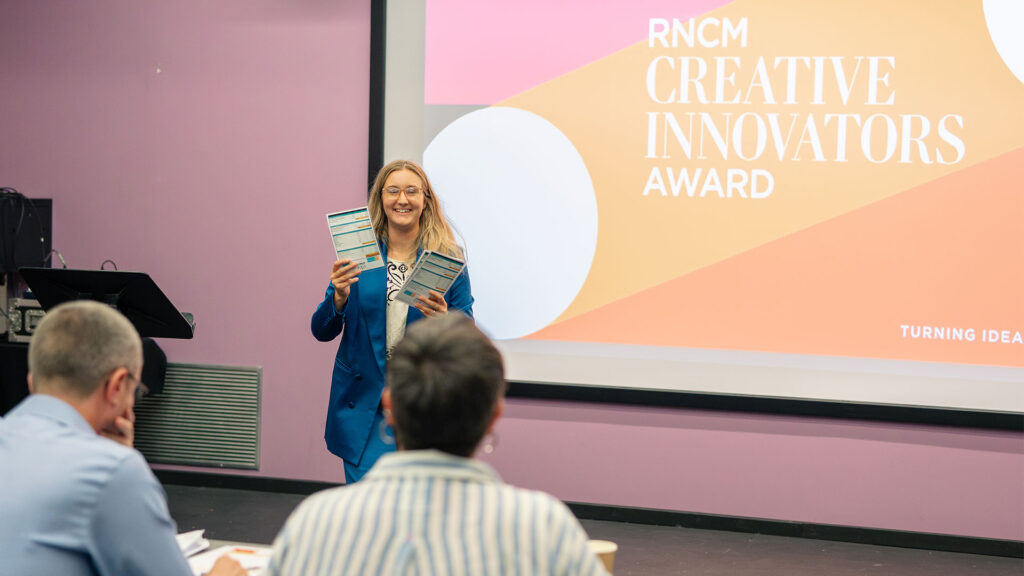
RNCM secures major investment to support emerging artists and break down barriers to music careers
15 October 2026
The new funding builds on RNCM’s award-winning track record for nurturing entrepreneurial and early career talent, and ‘recognises excellence exists in every community, but opportunity does not’. The Royal Northern College of Music (RNCM) has secured significant…

RNCM reveals first artists on joint Creative Incubator with English National Opera
7 October 2026
The RNCM has announced the inaugural artists on its new RNCM/ENO Creative Incubator programme – a unique partnership jointly developed with the English National Opera (ENO) to provide space and…
News In Brief
- Congratulations to alumnus and SWBP professor, David Thornton, on receiving the Iles Medal at the National Brass Band Championships.
- Congratulations to vocal alumnus Rafael Rojas, who won three prizes at the Neue Stimmen International Singing Competition.
- Alumnus Graham McCusker has worked as music director, pianist, and composer on the new Sense and Sensibility film