Conducting
Our conducting programmes are underpinned by the belief that you can only learn your craft by conducting other musicians in live rehearsal and performance.
Whether you’re studying as a postgraduate or on one of our short courses, you’ll receive enviable podium experience and intensive training that ensures you develop the skills to advance with confidence in the profession.
The most valuable gift you can receive is the opportunity to lead experienced players within world-class orchestras. This is why our partnerships with the BBC Philharmonic Orchestra, Hallé, Royal Liverpool Philharmonic, Manchester Camerata, Northern Ballet, Kantos Chamber Choir, and Foden’s Brass Band are integral to our offer, in addition to conducting student instrumental and opera performances.
Postgraduates work as assistant conductors with these orchestras throughout the year, and masters students currently take their final examinations in concert with the BBC Philharmonic.
Students from other disciplines receive a uniquely comprehensive and varied range of electives throughout all years of study, and a pathway exists that allows undergraduates to take more than 50 per cent of their final year credits in conducting.
Complementary to this is a discrete pathway for conductors within our Master of Education (MEd) degree. This is ideal if you: work in music education and regularly conduct as part of your job (or aspire to); conduct amateur orchestras, bands, choirs, and other ensembles; are a military musician looking to enhance your career prospects; or are a professional musician who wants to bring conducting into your future plans.
Professors
-
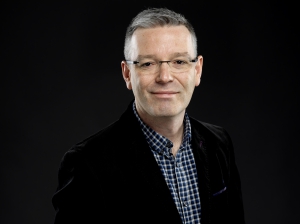
Mark Heron
Professor and Head of Conducting
-
Clark Rundell
Professor of Conducting
-
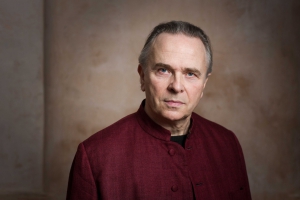
Mark Elder
International Chair in Conducting (2000-2024)
-
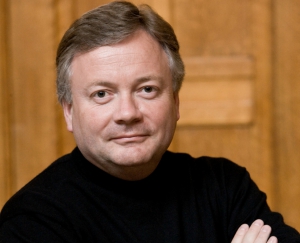
David Hill
International Chair in Choral Conducting
-
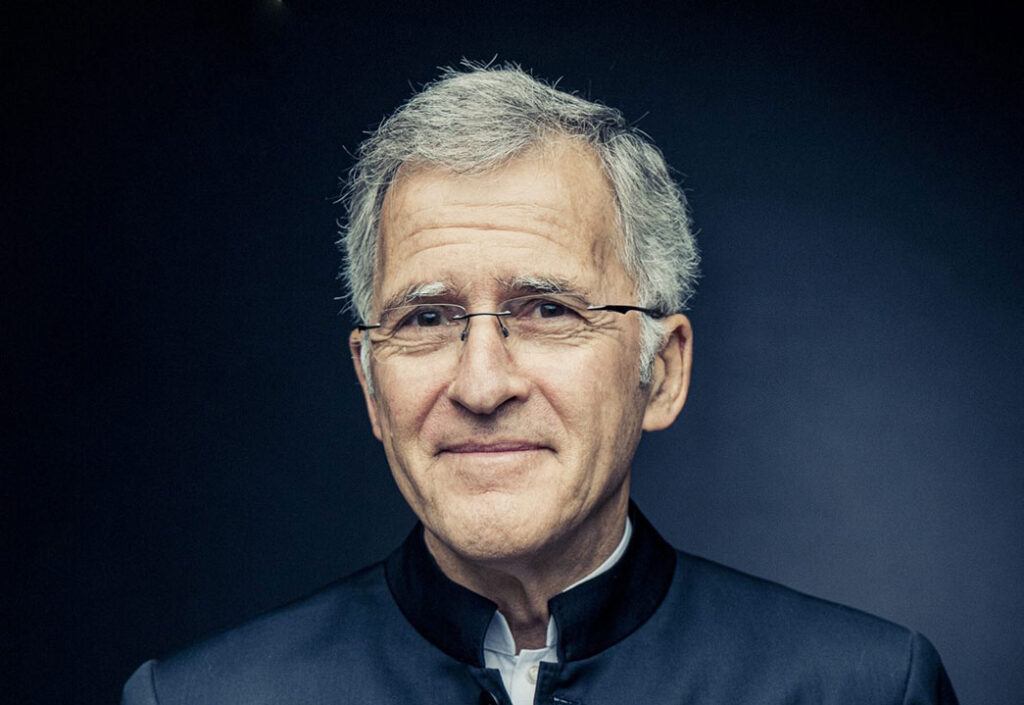
Nicolás Pasquet
International Artist in Conducting
-

Stuart Overington
Director of RNCM Chamber Choir and Symphony Chorus
-
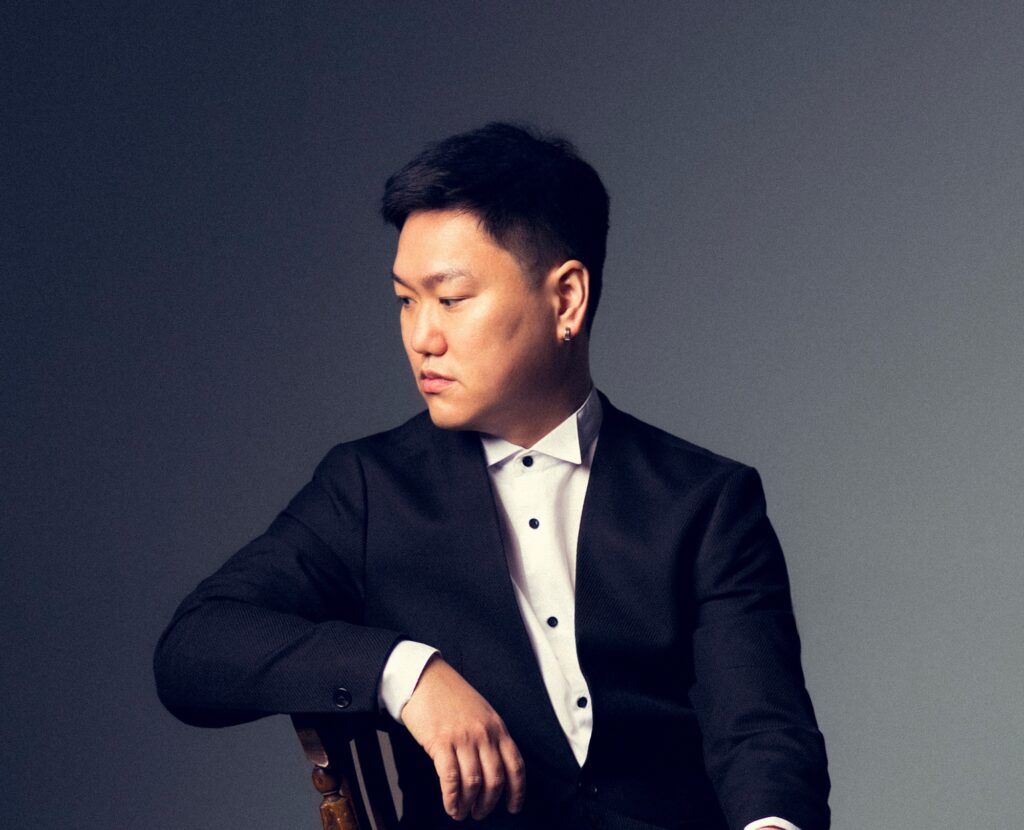
Melvin Tay
Professor in Conducting
Postgraduate Programmes
The RNCM offers principal study conducting at postgraduate level only. We generally admit five students per year as orchestral conductors on the Master of Music programme, and two per year as Master of Education choral conductors.
Master of Music
As an MMus orchestral conducting student, you’ll study with Professor Mark Heron, Head of Conducting, and Professor Clark Rundell, alongside regular teaching visits from Nicolás Pasquet and David Hill. Recent guest conductors have included Marin Alsop, Sir Mark Elder, Ed Gardner, Vasily Petrenko, John Storgårds, Mark Wigglesworth, Simone Young and many others.
Choral conducting students study with Stuart Overington and receive regular guidance from David Hill. Alongside extensive work with the RNCM Chamber Choir and Symphony Chorus, they also gain experience with orchestras and instrumental ensembles through orchestral classes.
Training is primarily delivered through class-based teaching, including twice-weekly conducting sessions with professional pianists or instrumental ensembles, regular orchestral rehearsals and one-to-one tuition shared between faculty and visiting artists. Students also work closely with RNCM staff and leading professional musicians from organisations including the BBC Philharmonic, Hallé, Royal Liverpool Philharmonic, Opera North, City of Birmingham Symphony Orchestra and Manchester Camerata.
Performance Opportunities
Conducting students play a central role in RNCM’s performance culture, working with orchestras, choirs, opera productions, wind and brass ensembles, and new music groups. Selected students may serve as assistant conductors on RNCM Opera productions, including the opportunity to conduct a performance.
Strong partnerships with local orchestras and choirs provide concert placements during the first year of study and opportunities for paid professional engagements in the second year.
Professional Partnerships
Students regularly work with major professional organisations. Orchestral conductors serve as assistant conductors with the BBC Philharmonic and Royal Liverpool Philharmonic Orchestra, undertaking multiple week-long assistantships each year. Choral conductors gain similar experience with organisations including the Hallé Choir, Royal Liverpool Philharmonic Choir, Kantos and Huddersfield Choral Society.
Additional opportunities include conducting masterclasses with the Hallé and the Bach Choir, and projects with NEW Sinfonia.
Career Development
Students regularly work with major professional organisations. Orchestral conductors serve as assistant conductors with the BBC Philharmonic and Royal Liverpool Philharmonic Orchestra, undertaking multiple week-long assistantships each year. Choral conductors gain similar experience with organisations including the Hallé Choir, Royal Liverpool Philharmonic Choir, Kantos and Huddersfield Choral Society.
Additional opportunities include conducting masterclasses with the Hallé and the Bach Choir, and projects with NEW Sinfonia.
Scholarship and Assessment
The Mills Williams Foundation supports merit-based scholarships for selected second-year students.
Master’s students currently undertake their final examination in concert with the BBC Philharmonic or another professional ensemble or choir.
Full course information is available on the Master of Music page.
Master of Education
Conducting for Community and Youth Ensembles
Designed for musicians, educators, and ensemble leaders who want to develop their conducting skills, this specialist pathway within our Master of Education programme combines practical conductor training with mentoring and reflective study. The course is ideal for those working with youth, community, amateur, school, military, or other non-professional ensembles who are looking to build confidence, leadership skills, and rehearsal expertise.
Delivered by the RNCM’s internationally recognised conducting department, students develop their score study, baton technique, rehearsal methods, ensemble leadership, and pedagogical practice while applying their learning directly with their own ensembles. Alongside expert tuition and mentoring, participants can observe RNCM conducting masterclasses and professional rehearsals, gaining insight into a wide range of conducting approaches and practices.
Flexible study options make this course suitable for those balancing professional commitments while seeking advanced training in conducting and music education.
Full course information is available on the Master of Education page.
Undergraduate Options
Please note that while we don’t offer conducting as a Principal Study option within our undergraduate programmes, an extensive range of electives are available within the Bachelor of Music with Honours degree, giving instrumentalists, singers, and composers the opportunity to develop an interest in conducting alongside their principal study. Should a student select all available options across Years 3 and 4, 100 credits out of 240 could be in conducting subjects.
Auditions
The RNCM is at the forefront of educating conductors internationally, and graduates of our programmes are regularly seen conducting in the world’s major concert halls and opera houses.
Requirements
Applicants for MMus Orchestral and Choral Conducting programmes are required to submit an application via UCAS Conservatoires by 1 October 2026.
Auditions consists of a preliminary video selection round followed by two days of live auditions, taking place at the RNCM in on Wednesday 18 and Thursday 18 March 2027. Live auditions will comprise of three rounds and an interview.
Audition requirements for postgraduate study are outlined below, but if you require further information, please email [email protected] or call 0161 907 5465/210.
Live auditions will comprise of three rounds and an interview:
First Round:
All candidates should supply approximately 20 minutes of footage of their conducting. Ideally, this should be a fairly equal mixture of rehearsal and performance. The camera should be positioned so that the candidate’s face and upper body is clearly visible, i.e. the camera should be positioned in or behind the orchestra/ensemble, and ideally some of the musicians should also be visible. The recording should be submitted via Acceptd by Monday 16 November 2026. If you wish to be considered for the choral specialism, please make this clear in the material you submit to Acceptd.
Second and Third Rounds:
Selected candidates will be invited for live auditions which will take place over two days, comprising three stages and an interview.
All candidates will conduct an ensemble piece and a choral work on day one. A number of candidates will be invited to proceed to day two, which starts with a rehearsal with a soloist and chamber ensemble in a standard concerto. A smaller number of candidates will be invited to stay for the final round with orchestra. Interviews and feedback will be given throughout the process.
Applicants will be notified of the repertoire in advance and are expected to bring their own music to audition. As an example, the following pieces have been used in previous years:
- Stravinsky Soldier’s Tale (selected movements)
- Britten Hymn to St Cecilia, Poulenc Quatre motets pour le temps de Noël
- Schumann Cello Concerto, Mendelssohn Violin Concerto, Elgar Cello Concerto
- Beethoven Symphony No 1, Haydn Symphony No 101, Schumann Symphony No 3, Shostakovich Symphony No 9
Live auditions will comprise of three rounds and an interview:
First Round:
All candidates should supply approximately 20 minutes of footage of their conducting. Ideally, this should be a fairly equal mixture of rehearsal and performance. The majority of the footage should be with choirs, but you may wish to include a short selection with orchestra or other instrumental ensemble. The camera should be positioned so that the candidate’s face and upper body is clearly visible, i.e. the camera should be positioned in or behind the choir/orchestra/ensemble, and ideally some of the singers/musicians should also be visible. The recording should be submitted via Acceptd by Monday 16 November 2026.
Second and Third Rounds:
Round Two will be with a small chamber orchestra. Round Three will be with the RNCM Chamber Choir.
Applicants will be notified of the repertoire in advance and are expected to bring their own music to audition. As an example, the following pieces have been used in previous years:
- Haydn Symphony No 130
- Britten Hymn to St Cecilia, Poulenc Quatre motets pour le temps de Noël
Applications for the MEd will close on 13 January 2027. Once you have completed your UCAS Conservatoires application, you need to submit your portfolio of work via Acceptd. This should include:
- A five-minute recording of your teaching, taken from a larger activity, lesson or rehearsal.
- Permission forms for every person featured in the recording. A permission form template will be provided by the RNCM Admissions team once we have received your UCAS application. If it is not possible to submit a video or gain consent, applicants should submit an alternative piece of evidence that highlights their good pedagogical practise, such as a set of lesson plans or a musical resource they have created.
- A 1000-word sample of writing, normally on music (which may be an excerpt from an existing piece of work you have written), using references, is required if your undergraduate degree was not undertaken at the RNCM.
Please visit the Master of Education course page for more details about applications and supporting materials.
‘It’s a great privilege to guide the incredibly talented young conductors at the RNCM and to watch them constantly grow through the many and varied experiences we give them.’
Head of Conducting
External Masterclasses and Short Courses
The RNCM operates a popular programme of external masterclasses and courses, which are open to all and attract applications from all over the world.
Usually led by professors Mark Heron, Clark Rundell, David Hill, and Stuart Overington, they welcome a wide range of applicants, from prospective conducting students and recent graduates to professional performers, educators, and amateur musicians looking to develop their skills. A key feature is the focus on practical experience, with participants conducting live musicians in real-world settings. RNCM orchestras, bands, and ensembles perform in most sessions, while some masterclasses include professional ensembles such as Manchester Camerata and the KNDS Fairey Band.
Applications for the masterclasses can be submitted at any time, with active participants selected after the closing date. For the Conducting in Practice course, places are confirmed on receipt, so early application is recommended.
Observers are welcome at all sessions and may register at any time. This is an excellent opportunity for conductors at any level, or anyone interested in the use of gesture and body language in leadership.
Opportunities
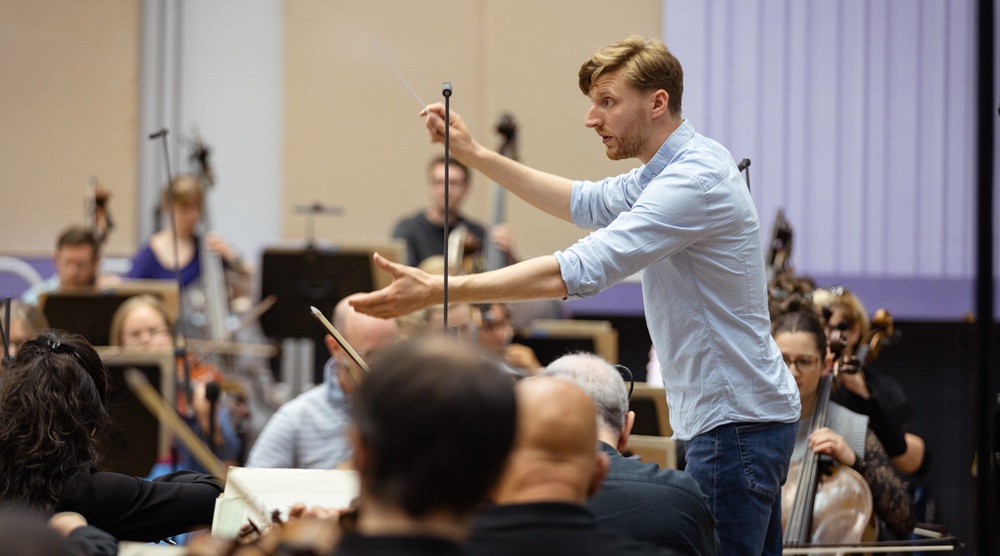
Electives
We offer a wide range of elective conducting courses, open to all RNCM students whose Principal Study is not conducting. These unmatched opportunities enable students to pursue in-depth conducting study as part of their degree.
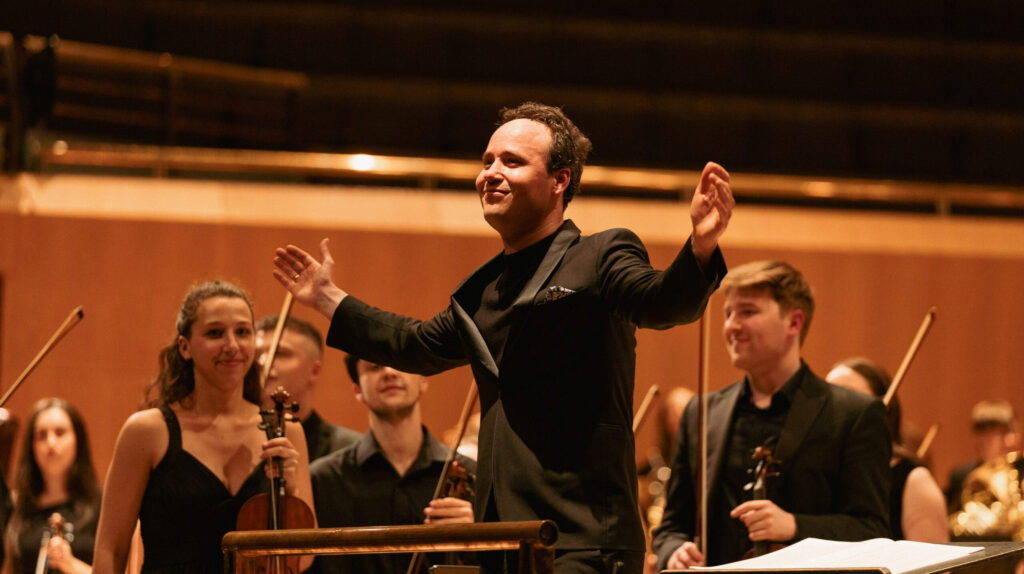
External Masterclasses and Short Courses
Our popular masterclasses and short courses attract applicants from all over the world, as well as RNCM staff and students who are not studying postgraduate conducting. We also offer a specialist course for those working (or aspiring to work) in Music Education, and bespoke CPD programmes of study.
Choral Specialisms
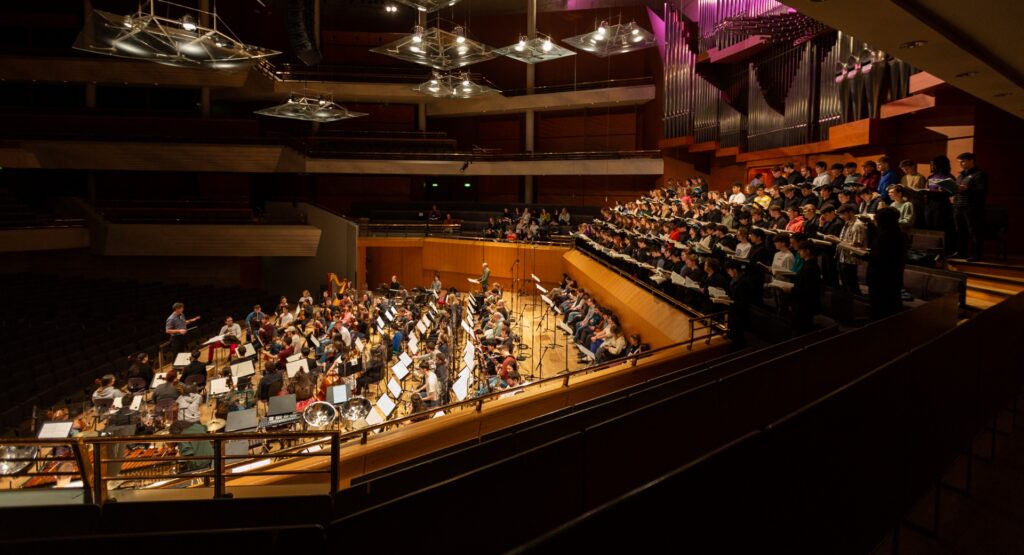
Students specialising in choral conducting work closely with Stuart Overington and David Hill, with regular opportunities to conduct the RNCM Chamber Choir and Symphony Chorus. They also gain experience through placements with leading choirs, including the Hallé, Royal Liverpool Philharmonic and Kantos Chamber Choir, while developing instrumental conducting skills through orchestral conducting classes.
Real-World Experience
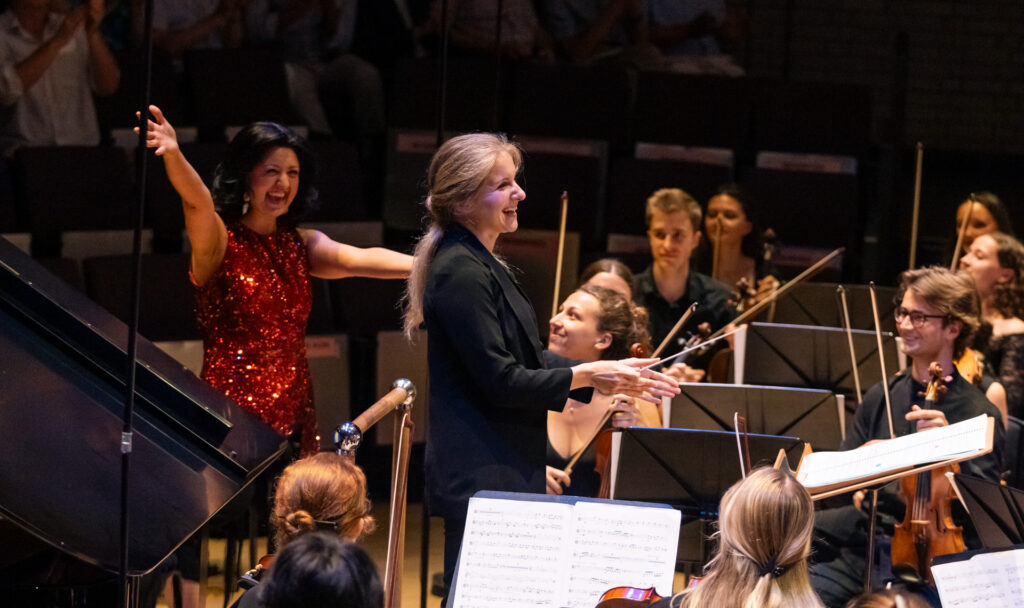
Our conducting programmes are built on the belief that conducting is best learned through live rehearsal and performance. Whether studying at postgraduate level or on a short course, students benefit from extensive podium experience and intensive training, developing the skills and confidence to progress in the profession.
Alumni
We’re always proud to celebrate the successes of our alumni, whether from the RNCM or our two founding institutions, the Royal Manchester College of Music and the Northern School of Music.
-
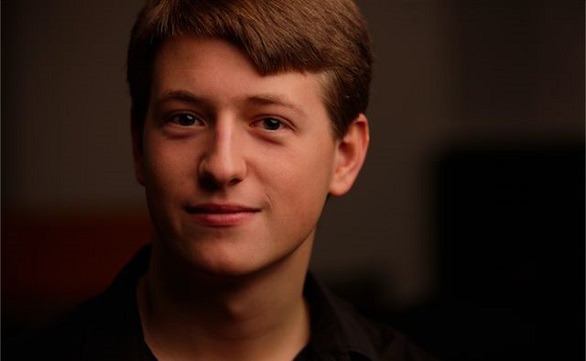
Duncan Ward
Composition | 2011
-
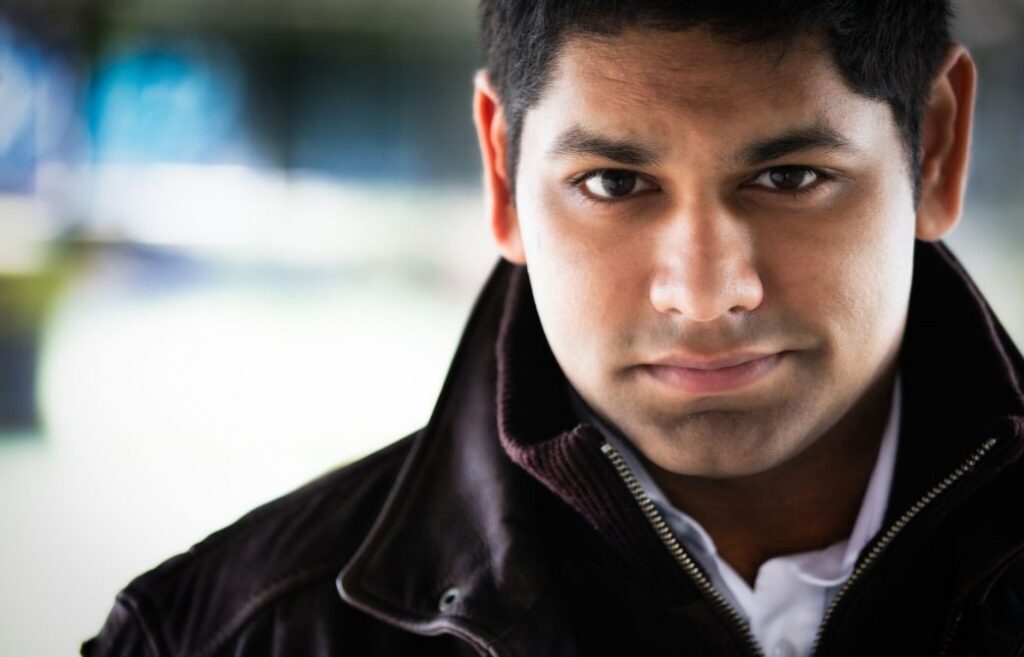
Alpesh Chauhan
Conducting | 2014
-

Ellie Slorach
Conducting | 2018
-
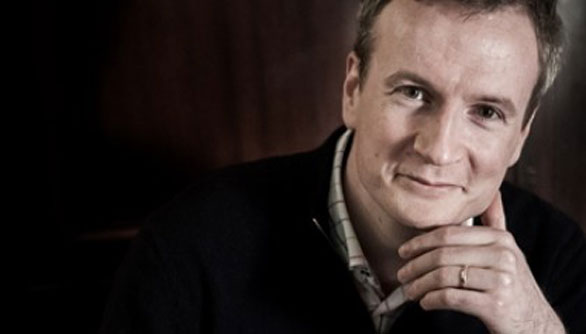
Garry Walker
Conducting | 1997
-
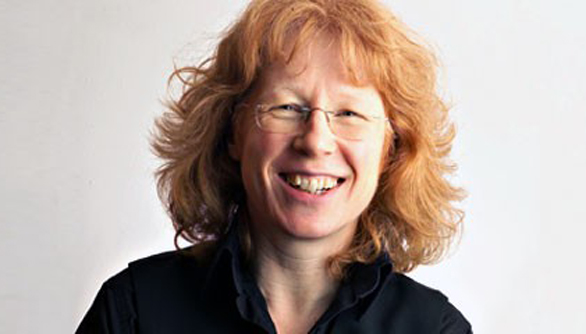
Sian Edwards
Conducting | 1983
-

Ewa Strusinska
Conducting | 2008
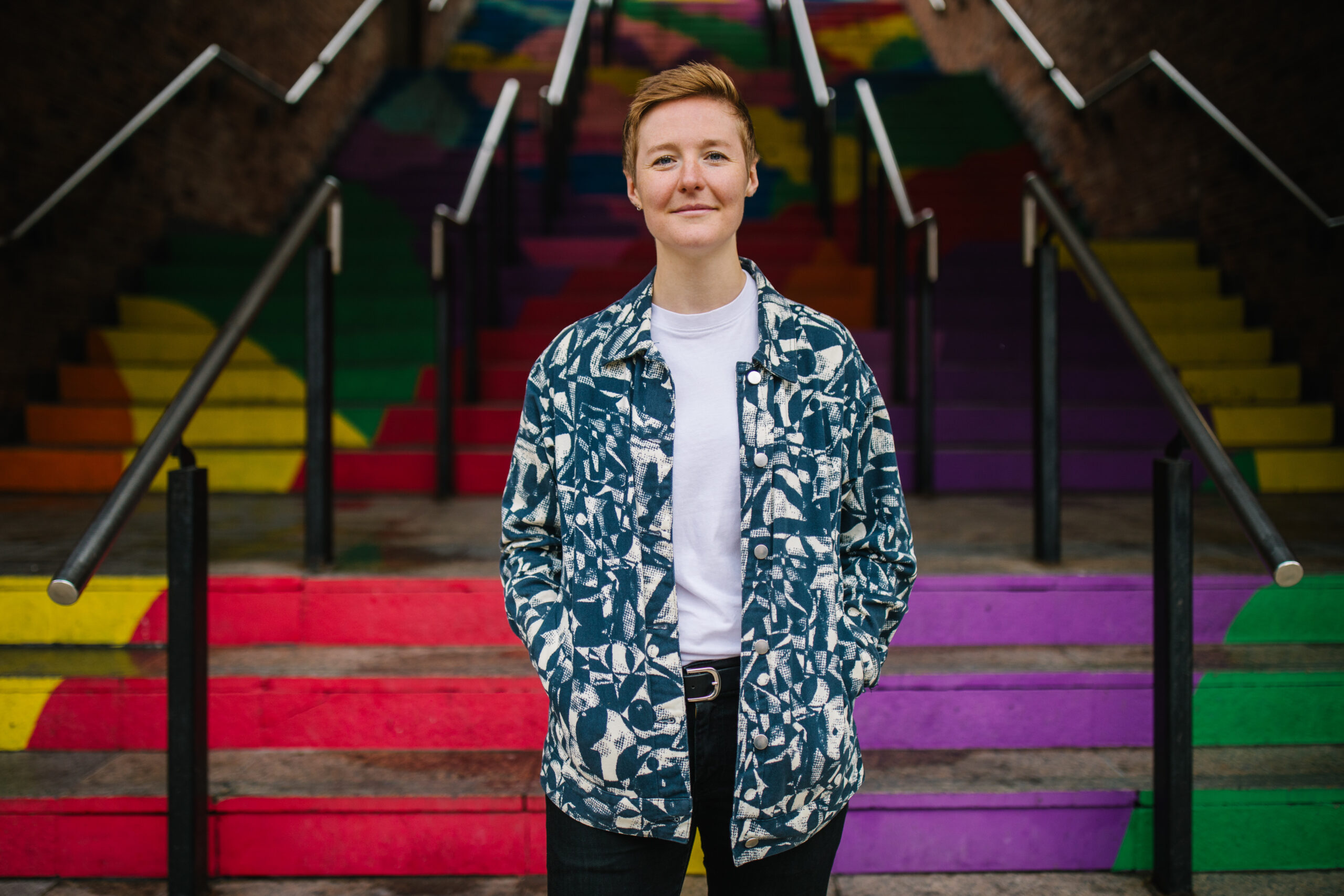
Alumni Spotlight
Ellie Slorach | 2018
‘At the RNCM, I had unparalleled opportunities on the podium working with orchestras and choirs across many varying genres of music, plus acting as assistant conductor on projects for all the major orchestras in the North West. It was a springboard into the profession and I’m really glad to now be living and working in Manchester!’
Ellie Slorach (conducting, 2018) is the Founder Member of Kantos Chamber Choir and an RNCM Associate Artist.
Videos
News

Application FAQs
How do I apply?
UCAS Conservatoires applications open on 9 July and close on 1 October. Once you have submitted your UCAS application, you should submit an Acceptd portfolio that meets the audition requirements for your instrument.
How much does it cost to apply and audition?
The UCAS application fee for 2027 entry is £34.50. The RNCM audition fee for Single Principal Study is £80 and £120 for Joint Principal Study.
Audition fee waivers are available for UK applicants who meet any of the following criteria:
- Applicants in receipt of UK government benefits
- Applicants with a combined household income of £35,000 or below
- Applicants who are eligible for free school meals (FSM)
- Applicants who are care leavers
Please contact [email protected] if you think you are eligible for a fee waiver.
Do I have to come to the RNCM for my live audition and interview?
All UK-based applicants are encouraged to attend their audition live at the RNCM in Manchester. Overseas applicants and those unable to travel are welcome to apply for an online audition and interview, which will take place in our main auditions period alongside in-person auditions.
When will I receive a decision from the RNCM?
If you apply on time and audition within our main auditions period, you will be notified of the outcome of your application by Thursday 24 December.
For late applicants, we aim to process all application decisions within 2 weeks of each audition.
Resources
-
ConductIT (Digital Resources)
Visit